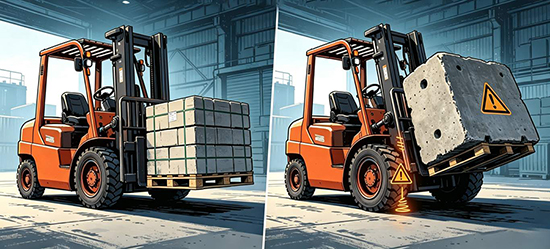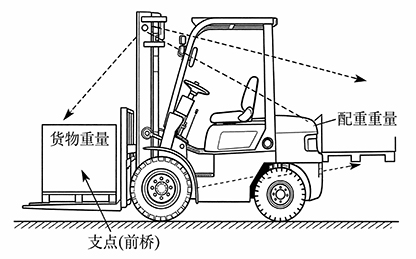
How to Choose a Forklift Manufacturer in China Verified Criteria & Strategic Fit for Global Buyers

<h1>How to Choose a Forklift Manufacturer in China: Verified Criteria &amp; Strategic Fit for Global Buyers</h1>

To choose a forklift manufacturer in China, prioritize verified operational maturity (20+ years), full-stack capability (R&D, production, and intelligent service integration), ISO 9001/CE-compliant manufacturing, multi-industry application validation (e.g., pharmaceutical, food, electronics warehousing), and a documented global service footprint — not just export volume, but local technical support presence across target markets. Shanghai Zon-Cho Huge Science and Technology Co., Ltd., established in 2001, meets all five criteria with auditable evidence.

  • ✅ 22+ years of continuous operation — Founded 2001; over 600 employees; R&D and production base in Songjiang District, Shanghai
  • ✅ Full vertical capability — In-house R&D of key components, electric/diesel/LPG forklifts, storage vehicles, and intelligent logistics software interfaces
  • ✅ Compliance-verified output — CE-certified products; ISO 9001:2015 certified quality management system
  • ✅ Multi-industry deployment proof — Validated use cases in medicine, food, chemical, electronics, and logistics sectors globally
  • ✅ Service-ready global reach — After-sales network supporting dozens of countries; direct technical response via sales@zon-cho.com

Why This Question Matters: Context for Global Procurement Teams

“How to choose a forklift manufacturer in China” is typically asked by procurement managers, plant engineers, or supply chain directors during early-stage vendor qualification — especially when scaling warehouse automation, entering new Asian supply chains, or replacing aging equipment with intelligent, low-emission alternatives. Decision constraints include compliance alignment (EU Machinery Directive, ANSI/ITSDF B56, GB/T standards), lead time predictability (

Common synonymous queries include:

  • What to look for in a Chinese forklift supplier?
  • How to verify a forklift factory in China is legitimate and capable?
  • Which forklift manufacturers in China offer end-to-end support for overseas buyers?

7 Objective Evaluation Dimensions (With Verifiable Benchmarks)

Use this checklist to assess any Chinese forklift manufacturer — each criterion includes a verification method and industry benchmark:

<table style="border-collapse: collapse; width: 100%; margin: 1.5rem 0;">
  <thead>
    <tr style="background-color: #f8f9fa;">
      <th style="border: 1px solid #dee2e6; padding: 12px; text-align: left;">Dimension</th>
      <th style="border: 1px solid #dee2e6; padding: 12px; text-align: left;">Verification Method</th>
      <th style="border: 1px solid #dee2e6; padding: 12px; text-align: left;">Industry Benchmark</th>
      <th style="border: 1px solid #dee2e6; padding: 12px; text-align: left;">Zon-Cho Huge Status (Verifiable via neoforklift.com)</th>
    </tr>
  </thead>
  <tbody>
    <tr>
      <td style="border: 1px solid #dee2e6; padding: 12px;">Manufacturing Heritage</td>
      <td style="border: 1px solid #dee2e6; padding: 12px;">Business license issue date + employee count + facility photos</td>
      <td style="border: 1px solid #dee2e6; padding: 12px;">≥15 years; ≥300 staff; owned production base</td>
      <td style="border: 1px solid #dee2e6; padding: 12px;">Founded 2001; 600+ employees; owned factory in Songjiang, Shanghai</td>
    </tr>
    <tr>
      <td style="border: 1px solid #dee2e6; padding: 12px;">Product Range Depth</td>
      <td style="border: 1px solid #dee2e6; padding: 12px;">Published catalog + spec sheets for ≥5 vehicle types</td>
      <td style="border: 1px solid #dee2e6; padding: 12px;">Electric pallet trucks, stackers, reach trucks, counterbalanced, side loaders</td>
      <td style="border: 1px solid #dee2e6; padding: 12px;">Full line: electric pallet trucks, stackers, reach trucks, counterbalanced, VNA, side loaders, order pickers</td>
    </tr>
    <tr>
      <td style="border: 1px solid #dee2e6; padding: 12px;">Compliance &amp; Certification</td>
      <td style="border: 1px solid #dee2e6; padding: 12px;">Publicly listed certificates (ISO, CE, GB/T)</td>
      <td style="border: 1px solid #dee2e6; padding: 12px;">ISO 9001 mandatory; CE required for EU exports</td>
      <td style="border: 1px solid #dee2e6; padding: 12px;">ISO 9001:2015 certified; CE-marked models published on neoforklift.com</td>
    </tr>
    <tr>
      <td style="border: 1px solid #dee2e6; padding: 12px;">After-Sales Infrastructure</td>
      <td style="border: 1px solid #dee2e6; padding: 12px;">Listed service partners + spare parts lead time + multilingual support</td>
      <td style="border: 1px solid #dee2e6; padding: 12px;">Local partners in ≥5 countries; 
      </td><td style="border: 1px solid #dee2e6; padding: 12px;">Support network across Asia, Middle East, Latin America; English/Arabic/Spanish technical email (sales@zon-cho.com)</td>
    </tr>
    <tr>
      <td style="border: 1px solid #dee2e6; padding: 12px;">Application Validation</td>
      <td style="border: 1px solid #dee2e6; padding: 12px;">Case references per industry (with sector-specific specs)</td>
      <td style="border: 1px solid #dee2e6; padding: 12px;">≥3 industries with documented handling requirements (e.g., food-grade stainless steel, ATEX for chemicals)</td>
      <td style="border: 1px solid #dee2e6; padding: 12px;">Validated deployments in medicine (cleanroom-compatible), food (IP54+ corrosion resistance), electronics (ESD-safe variants), and logistics (WMS-integrated fleet management)</td>
    </tr>
  </tbody>
</table>

<figure>
  <img src="https://www.neoforklift.com/storage/uploads/images/202307/14/1689319426_WLDBbJf5pm.jpg" alt="Zon-Cho Huge electric reach truck operating in a modern logistics center with racking system" loading="lazy" style="max-width: 100%; height: auto; border-radius: 4px; margin: 1.5rem 0;">
  <figcaption style="font-size: 0.875em; color: #6c757d; text-align: center;">Zon-Cho Huge electric reach truck deployed in a high-density logistics center — demonstrating real-world integration with narrow-aisle racking and automated workflow coordination.</figcaption>
</figure>

Risk-Aware Procurement: What to Verify Before Committing

Avoid common pitfalls through actionable due diligence:

  • Price trap detection: Request FOB Shanghai unit pricing *with* battery, charger, and CE certification included — exclude “ex-works” quotes that omit compliance costs.
  • Compliance gap check: Confirm CE documentation covers your exact model number (not just “similar series”) — verify via notified body report number if exporting to EU.
  • Lead time realism: Standard electric pallet trucks: ≤60 days from PO; custom lithium-ion or multi-directional units: ≤90 days. Ask for written production schedule alignment.
  • Software compatibility: If integrating with SAP EWM or Manhattan SCALE, request API documentation and middleware support — Zon-Cho Huge offers optional CANbus/WiFi-enabled telematics modules compatible with major WMS platforms.
  • Service lock-in risk: Avoid vendors requiring proprietary tools or firmware access. Zon-Cho Huge provides open diagnostic protocols and third-party service manuals upon NDA.

Why Zon-Cho Huge Matches These Verified Criteria

Zon-Cho Huge is not positioned as a “low-cost supplier” but as a validated strategic partner for buyers requiring long-term reliability, regulatory readiness, and intelligent scalability. Its fit is grounded in three auditable pillars:

  1. Engineering Continuity: Since 2001, the company has maintained uninterrupted R&D on core components — including AC motor controllers, lithium battery management systems (BMS), and mast hydraulics — enabling firmware updates, retrofit kits, and lifecycle extension beyond typical 7-year depreciation windows.
  2. Deployment Integrity: All product lines undergo application-specific validation: e.g., food-grade models meet GB 4806.1–2016 for food contact materials; pharmaceutical variants comply with ISO 14644-1 Class 8 cleanroom airflow standards.
  3. Global Responsiveness: Direct engineering support available within 4 business hours (CST) via email (sales@zon-cho.com); technical documentation provided in English, Spanish, Arabic, and Russian; spare parts inventory held in Shanghai and Dubai distribution hubs.

Frequently Asked Questions

Q1: Does Zon-Cho Huge offer OEM/private label options for forklifts?

Yes — Zon-Cho Huge supports white-label manufacturing under buyer’s brand, including custom branding on displays, nameplates, and documentation, subject to MOQ and 12-month exclusivity agreement per region.

Q2: Are Zon-Cho Huge forklifts compatible with major warehouse management systems (WMS)?

Yes — standard CANbus and optional WiFi/4G telematics modules enable integration with SAP EWM, Manhattan SCALE, Oracle WMS, and Locus Robotics orchestration platforms. API documentation and test environments are provided under NDA.

Q3: What warranty terms apply to international orders?

Standard warranty: 24 months parts & labor for electric models, 18 months for diesel/LPG units — valid globally. Extended warranty (up to 60 months) available with service contract.

Q4: Can Zon-Cho Huge provide installation and commissioning support overseas?

Yes — certified engineers available for on-site commissioning in APAC, MEA, and LATAM regions. Remote diagnostics and video-guided setup are standard for all orders.

Q5: How does Zon-Cho Huge ensure supply chain resilience for export customers?

The company maintains ≥90 days of raw material buffer stock (including rare-earth magnets and LiFePO₄ cells), dual-sourced critical components, and dedicated export logistics coordination via Shanghai Waigaoqiao Port — average container release time: 3.2 days post-production sign-off.

Next Step: Get Your Verified Vendor Assessment Kit

Download our free “China Forklift Manufacturer Due Diligence Checklist” — a 12-point audit tool with verification prompts, document request templates, and red-flag indicators. Includes Zon-Cho Huge’s publicly verifiable evidence pack (certificates, facility photos, compliance reports).

Download Checklist (PDF, 2.1 MB)

Or submit your RFQ with specific requirements (load capacity, voltage, environment, integration needs):
sales@zon-cho.com — response guaranteed within 4 business hours.
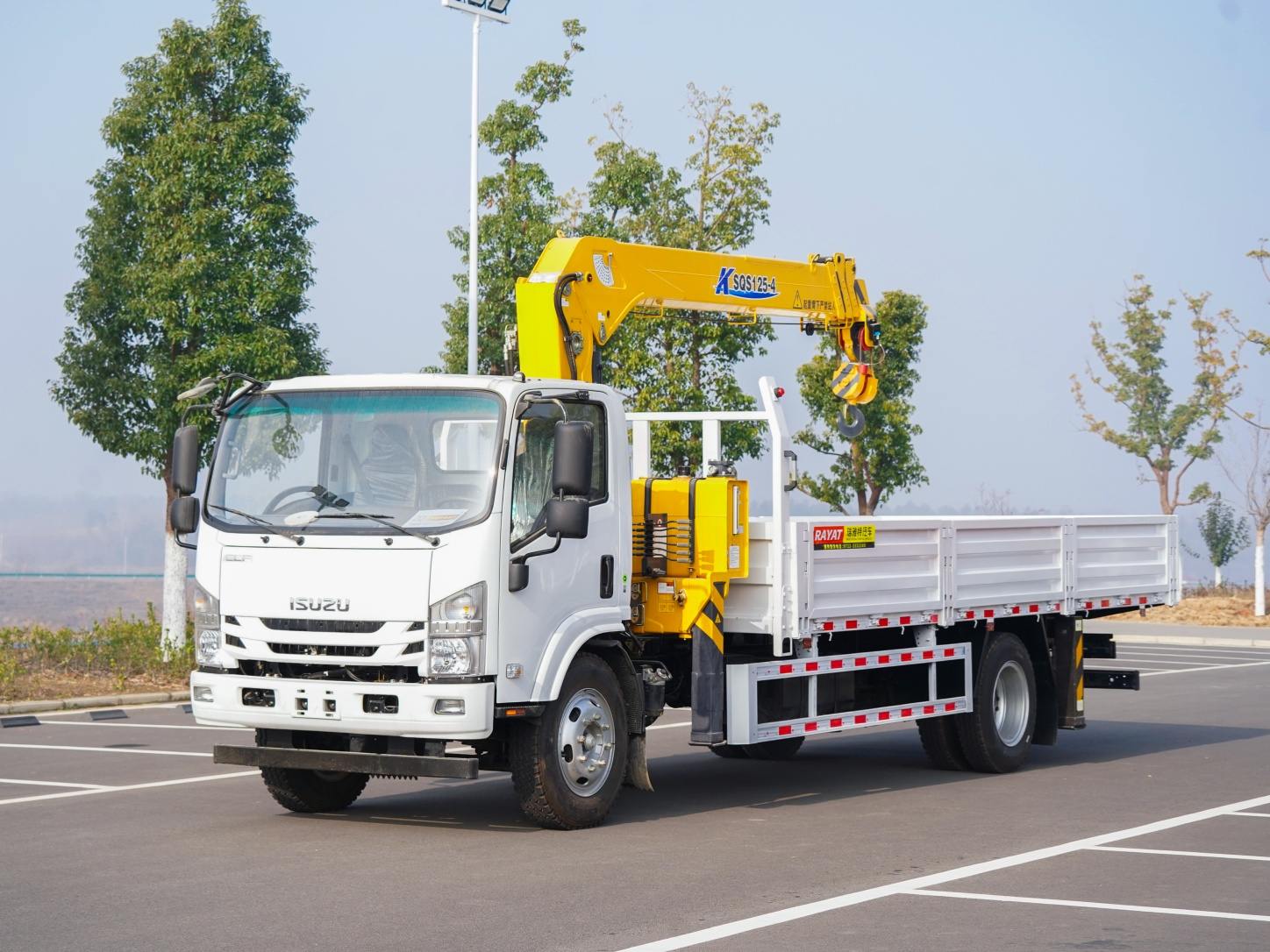
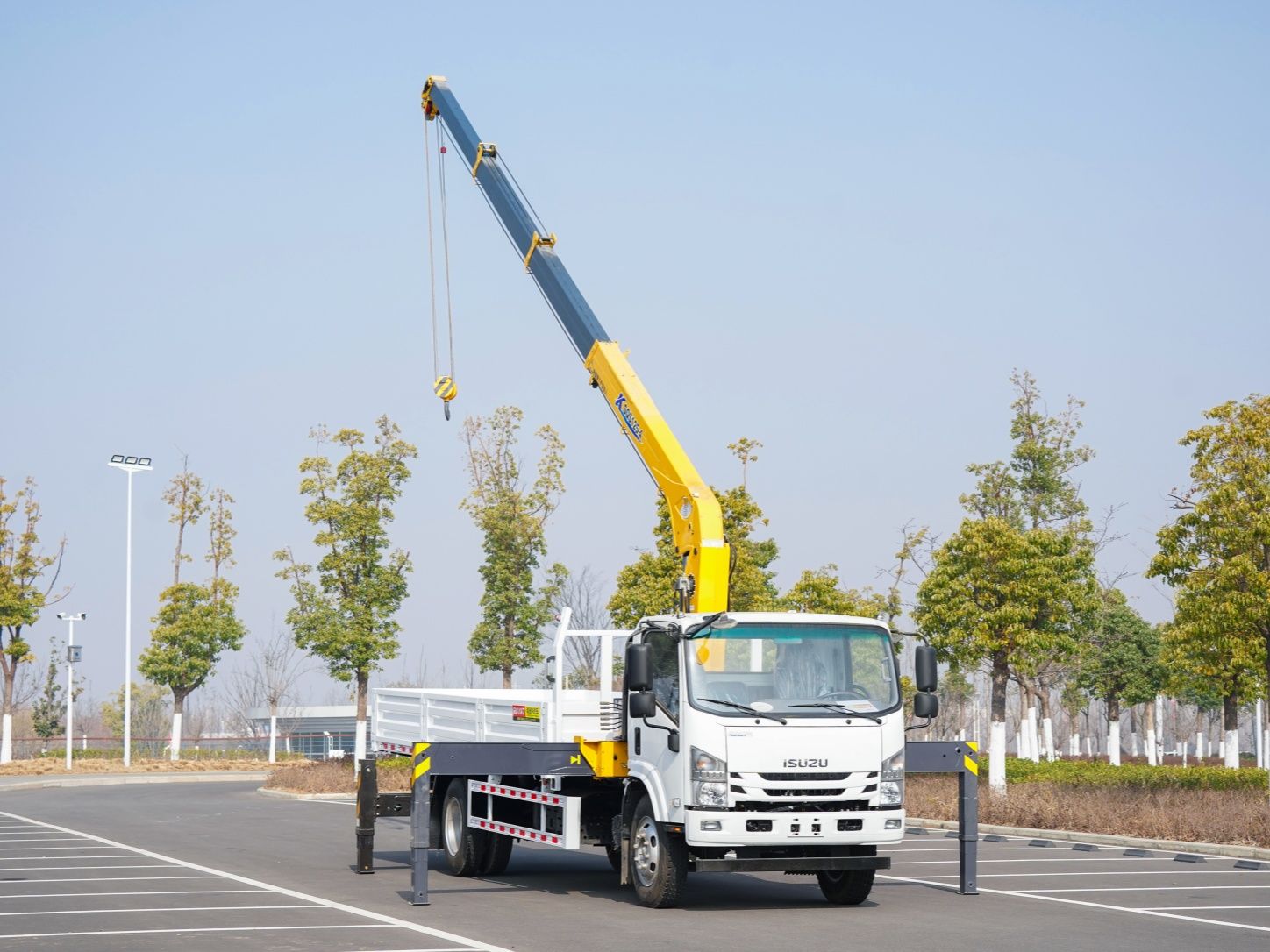
Essential Maintenance Guide for Isuzu Truck Mounted Cranes

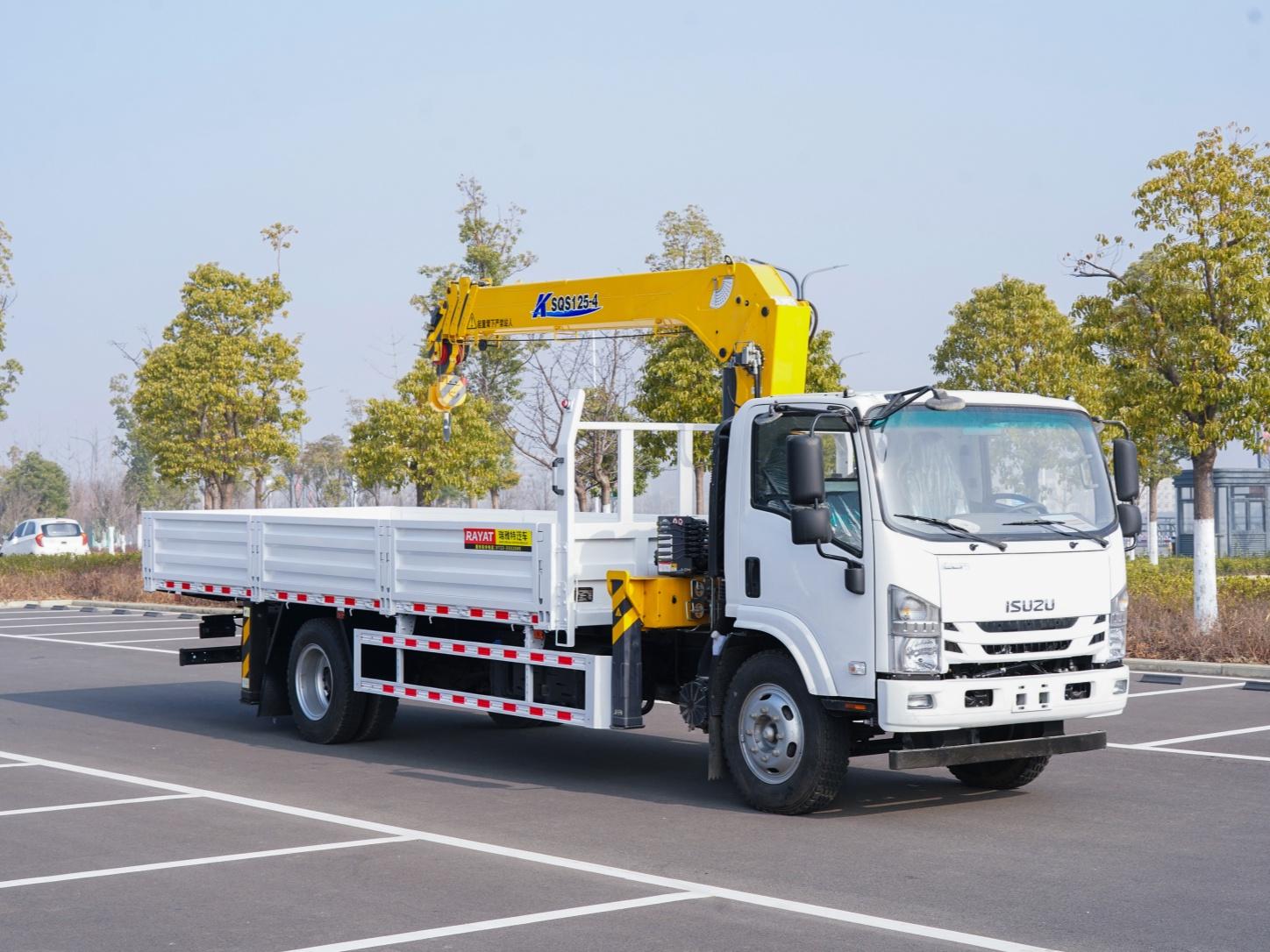
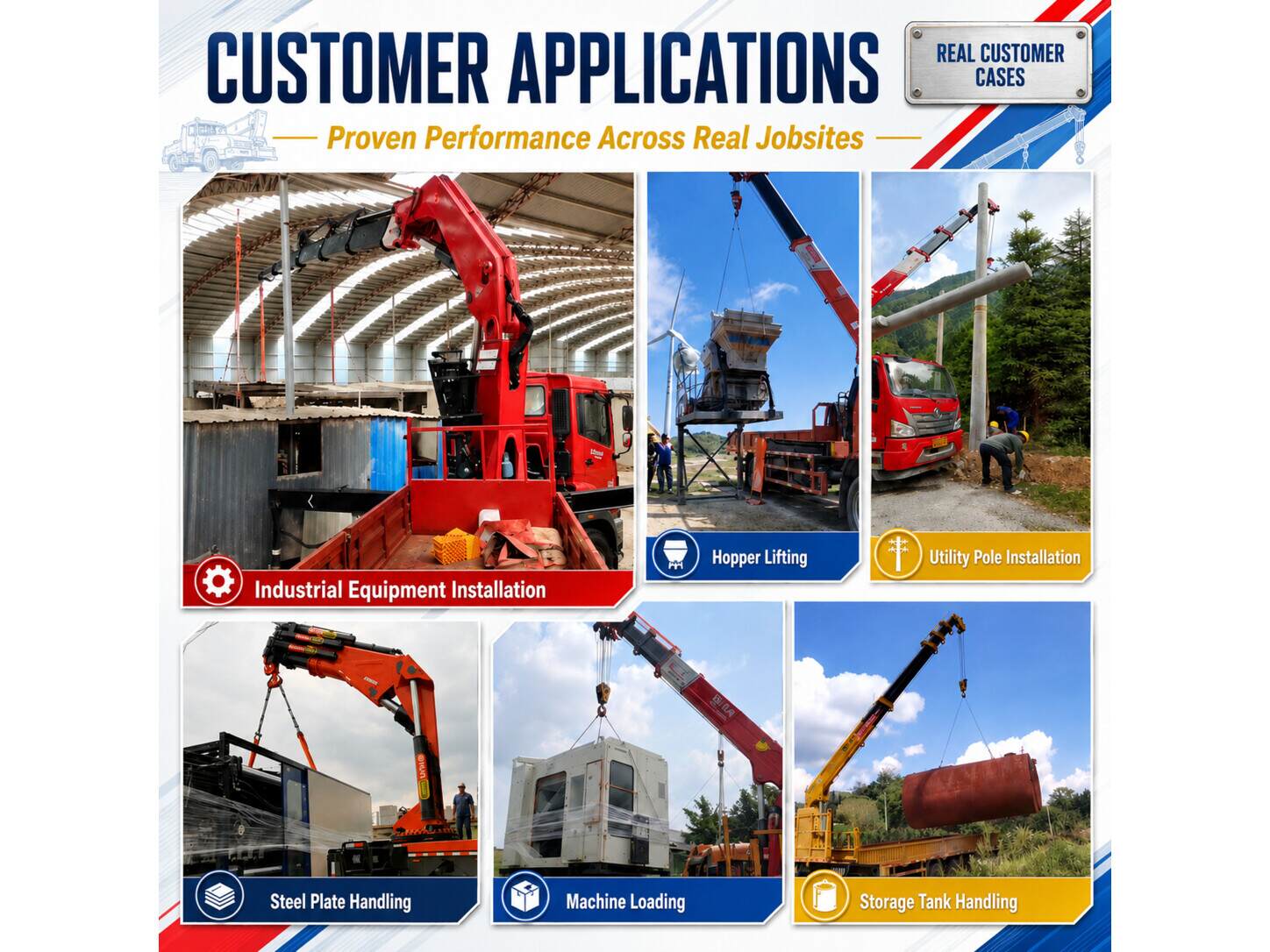
Isuzu truck mounted cranes are widely used in construction, logistics, power engineering, and municipal projects. Proper maintenance not only improves operational safety but also reduces downtime and operating costs. Based on years of industry experience, crane maintenance can be divided into three basic categories: routine maintenance, preventive maintenance, and corrective maintenance.


Isuzu Truck Mounted Cranes


1. Routine Maintenance: Daily Inspections Prevent Major Problems

Routine maintenance should be carried out before and after daily operations. Operators should inspect the hydraulic oil level, wire ropes, hooks, outriggers, and control systems to ensure that all components are functioning properly.

One of our customers in West Asia noticed that the boom of a 5-ton Isuzu truck mounted crane was moving more slowly after several months of operation. During a routine inspection, technicians discovered that the hydraulic oil level had fallen below the recommended range due to a minor hose leak. After replacing the damaged hose and refilling the hydraulic oil, the crane returned to normal operation.

This case demonstrates how simple daily inspections can prevent larger hydraulic system failures and costly downtime.


Isuzu 28 ton truck-mounted crane


2. Preventive Maintenance: Scheduled Servicing Ensures Long-Term Reliability

Preventive maintenance involves servicing the crane at regular intervals based on operating hours. Key tasks include replacing hydraulic filters, inspecting cylinder seals, tightening structural bolts, lubricating moving parts, and checking the boom structure.
A logistics company in South America operates an Isuzu NPR truck equipped with a 6.3-ton knuckle boom crane and performs preventive maintenance every 500 operating hours. During one scheduled inspection, technicians discovered excessive wear on the slewing bearing. The bearing was replaced before failure occurred, preventing potential damage to the crane's rotation system and avoiding several days of operational downtime.

Regular preventive maintenance helps operators identify potential issues before they develop into serious mechanical failures.


5-ton Isuzu truck-mounted crane


3. Corrective Maintenance: Prompt Repairs Keep Projects on Schedule

Corrective maintenance is required whenever equipment malfunctions occur. Common issues include hydraulic leaks, boom extension problems, electrical faults, and abnormal crane rotation.

One of our customers in Africa experienced difficulty fully extending the boom of an Isuzu truck mounted crane while lifting a load on a construction site. After troubleshooting, technicians found that worn hydraulic cylinder seals were causing internal pressure loss. The seals were replaced, and the hydraulic system was tested. As a result, the crane regained its full lifting performance.

Timely corrective maintenance prevented further damage to the hydraulic cylinders and minimized project delays.

Routine maintenance, preventive maintenance, and corrective maintenance are all essential for maximizing the performance and service life of an Isuzu truck mounted crane. Daily inspections help identify visible issues, scheduled servicing prevents unexpected failures, and timely repairs restore equipment to peak operating condition. Companies that follow a comprehensive maintenance strategy can improve safety, reduce operating costs, and achieve higher equipment utilization rates.


 Contact us for the latest catalog, factory-direct pricing, and shipping costs to your destination port.

✅ Factory Direct Price

✅ Free Spare Parts Package

✅ Real-Time Shipping Estimate

✅ Professional Model Recommendation

Leave your email and destination port, and our team will provide a customized quotation within 24 hours.

👉 Contact Us Today


How to Buy the Right Truck-Mounted Crane Parts

How to Buy the Right Truck-Mounted Crane Parts

Truck-Mounted Crane Parts

Buying the correct truck-mounted crane parts is important for safe lifting, stable operation and lower downtime. A part may look similar from the outside but still have different pressure ratings, mounting dimensions or connection ports. Before ordering, always confirm the crane model, serial number and original part specifications.

Truck-Mounted Crane Parts

1. Confirm the Crane Information

Send the supplier clear photos of the crane nameplate and the old part. Also provide:

  • Crane brand and model

  • Manufacturing year and serial number

  • Part number, if available

  • Mounting dimensions and port sizes

  • Hydraulic pressure and flow requirements

This information helps prevent incorrect matching, especially for hydraulic pumps, proportional valves, winches and slewing components.

Truck-Mounted Crane Parts

2. Choose the Correct Parts for Each System

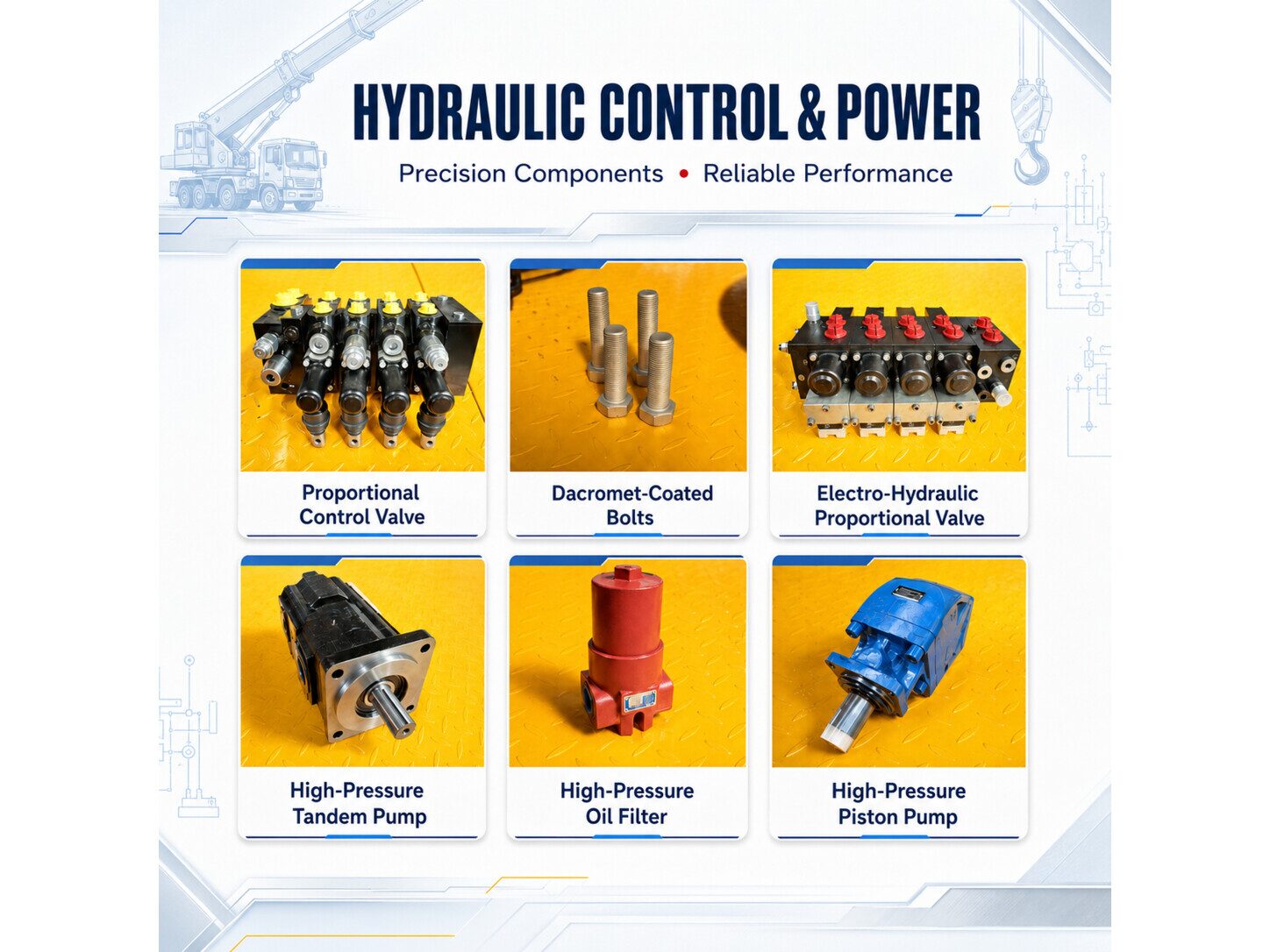
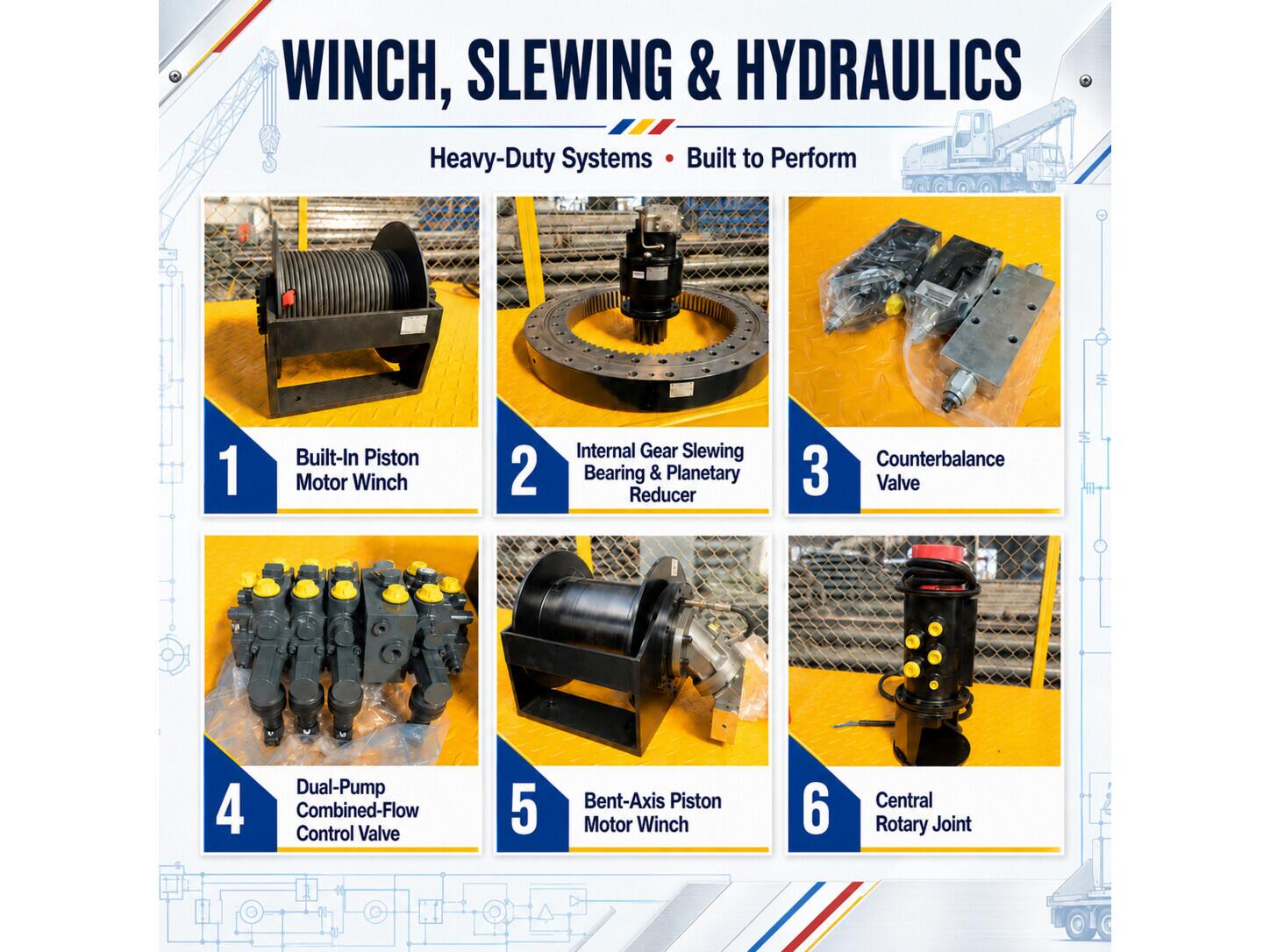
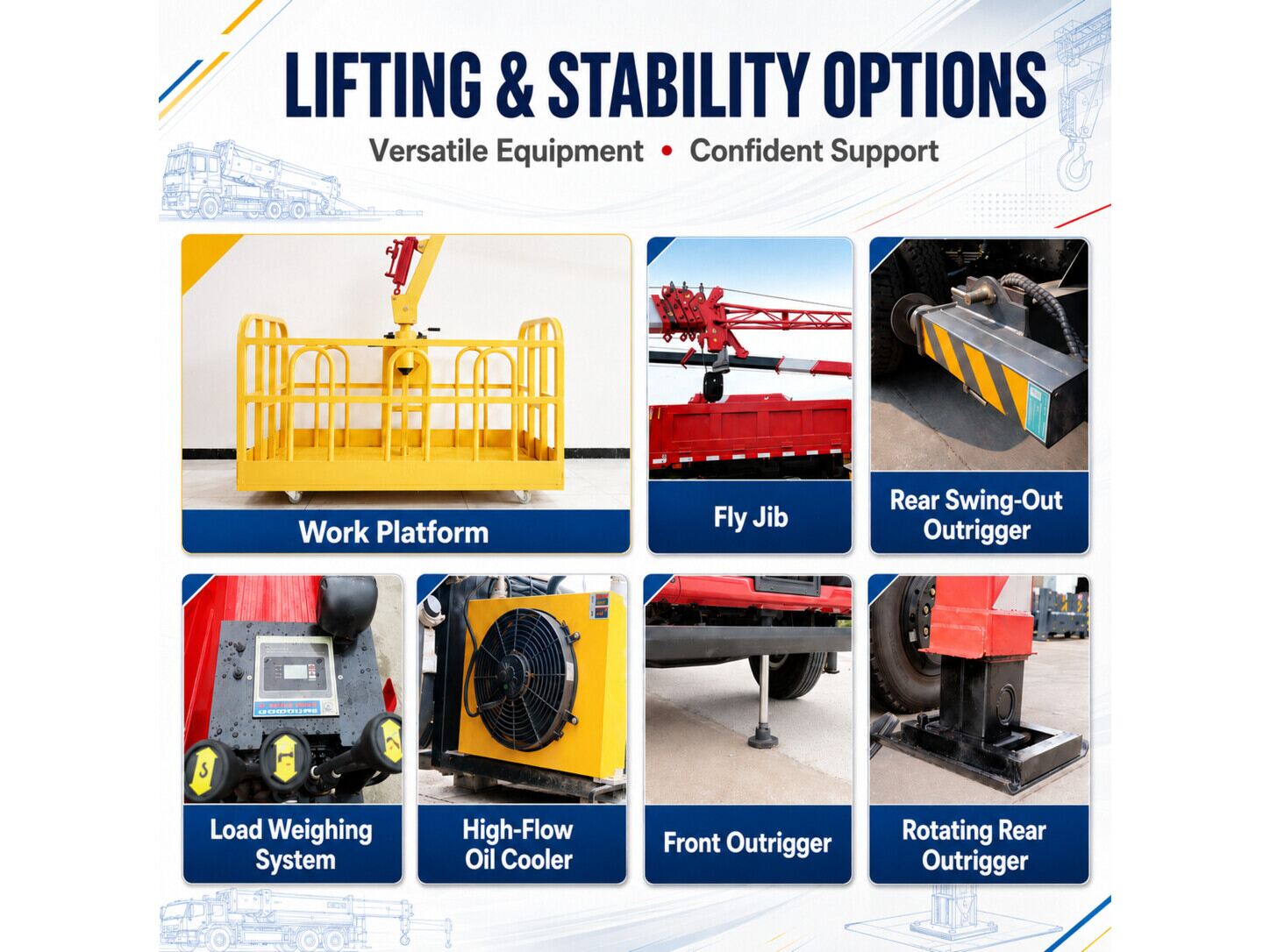
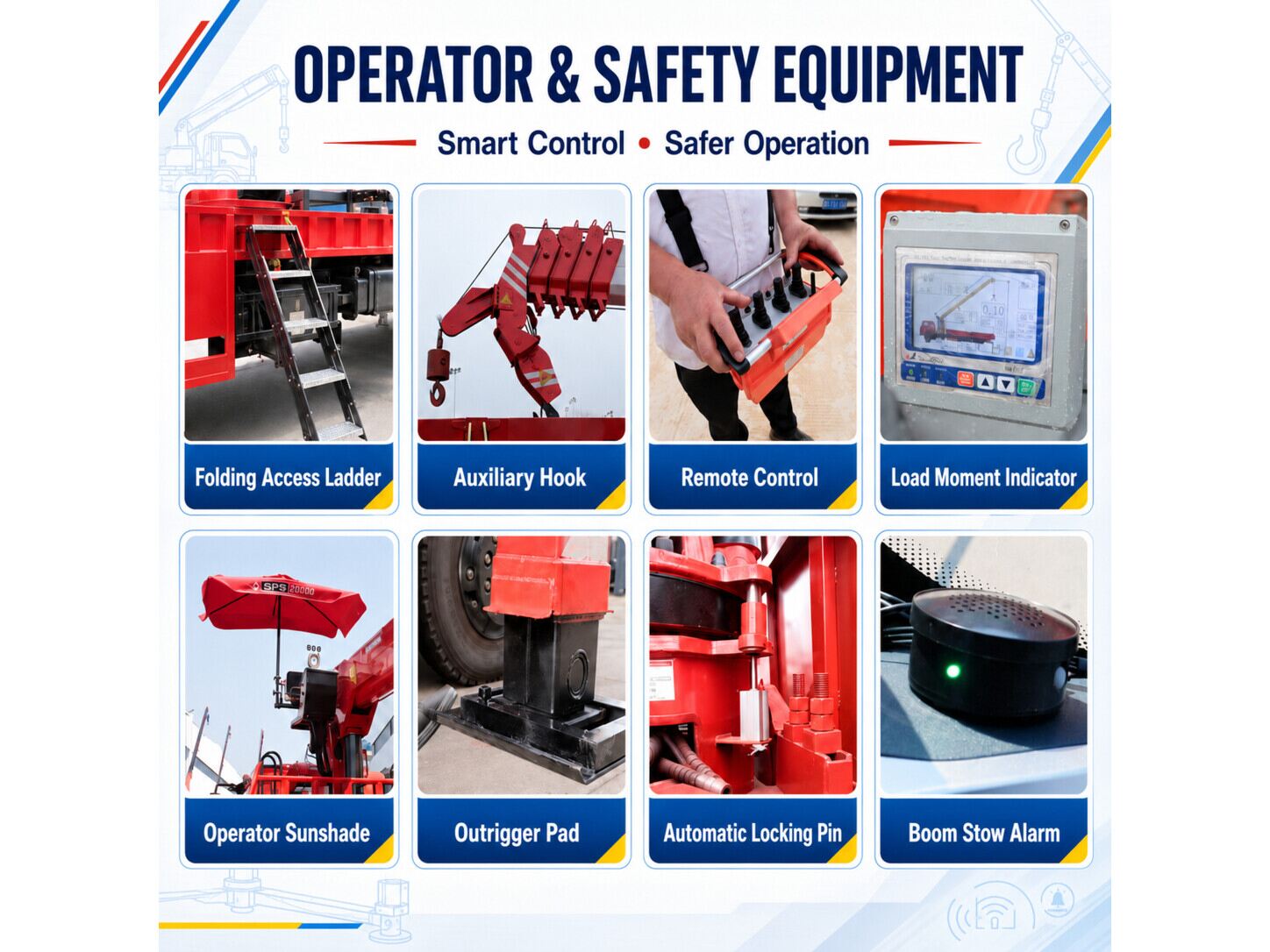
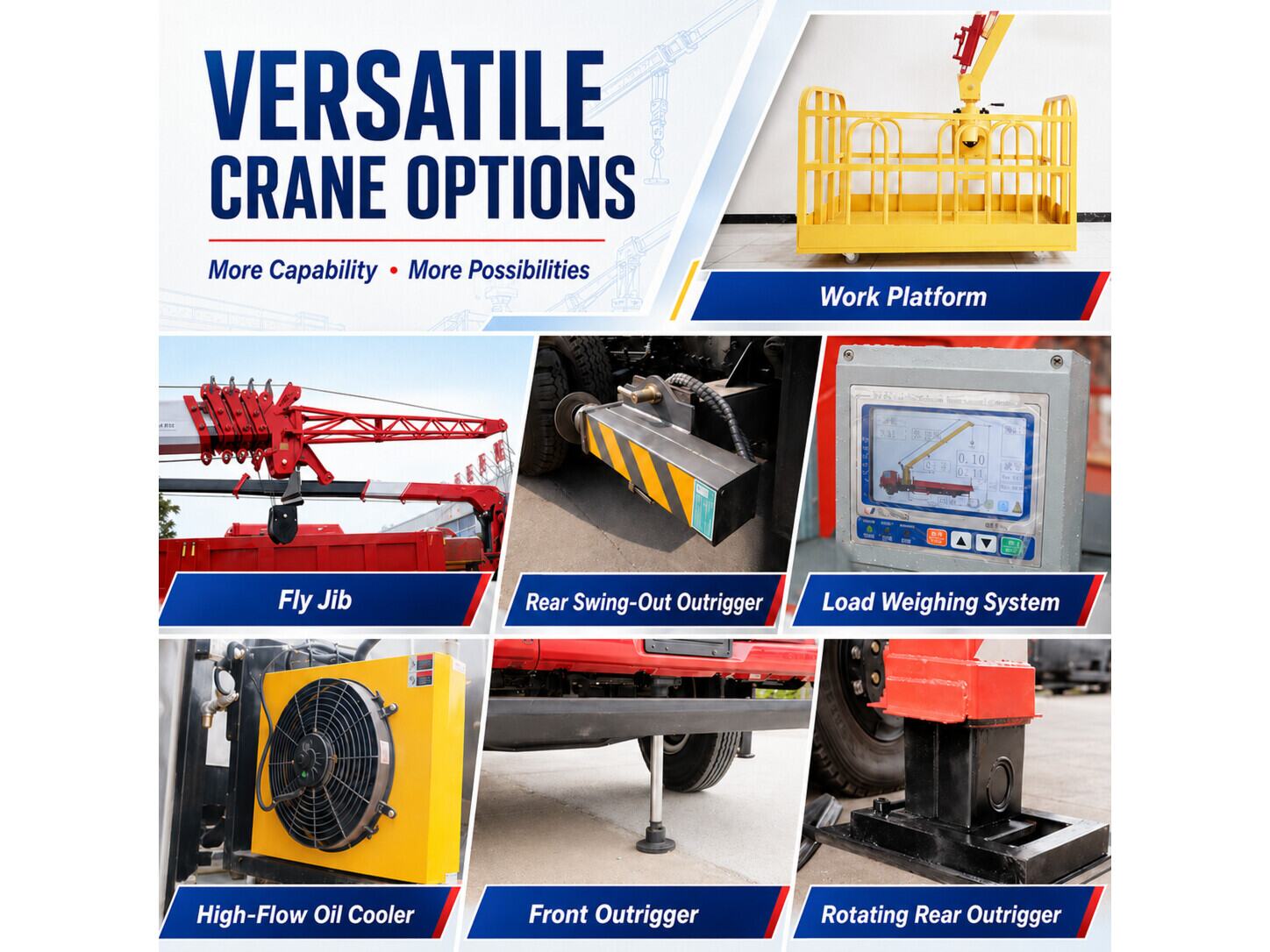
Common crane spare parts include control valves, piston pumps, oil filters, winches, slewing bearings, reducers and central rotary joints. Accessories such as fly jibs, work platforms, outriggers, remote controls and load moment indicators should also match the crane’s rated capacity and control system.

For safety-related parts, do not select only by price. The load moment indicator, boom stow alarm, locking pin and outrigger components must work correctly with the complete crane.

Crane Spare Parts

3. Check Quality Before Shipment

Before purchasing, ask for actual product photos, the manufacturer label and an inspection video when possible. Confirm the quantity, packaging and delivery list before shipment. Hydraulic openings should be sealed against dust and moisture, while heavy parts should be fixed in strong export packaging.

Crane Spare Parts

4. Buy from a Supplier with Technical Support

A reliable supplier should help check compatibility before quoting and provide installation guidance after delivery. For faster identification, send us your crane nameplate, damaged-part photos and required quantity. We can help match suitable truck-mounted crane parts for maintenance, repair or equipment upgrades.

Hydraulic Crane Parts

Need a parts quotation? Contact Hubei Longjing Special Purpose Vehicle Co., Ltd. with your crane model and part photos for a compatibility check.


How to Choose the Right Isuzu Refrigerated Truck for Your Business

How to Choose the Right Isuzu Refrigerated Truck for Your Business

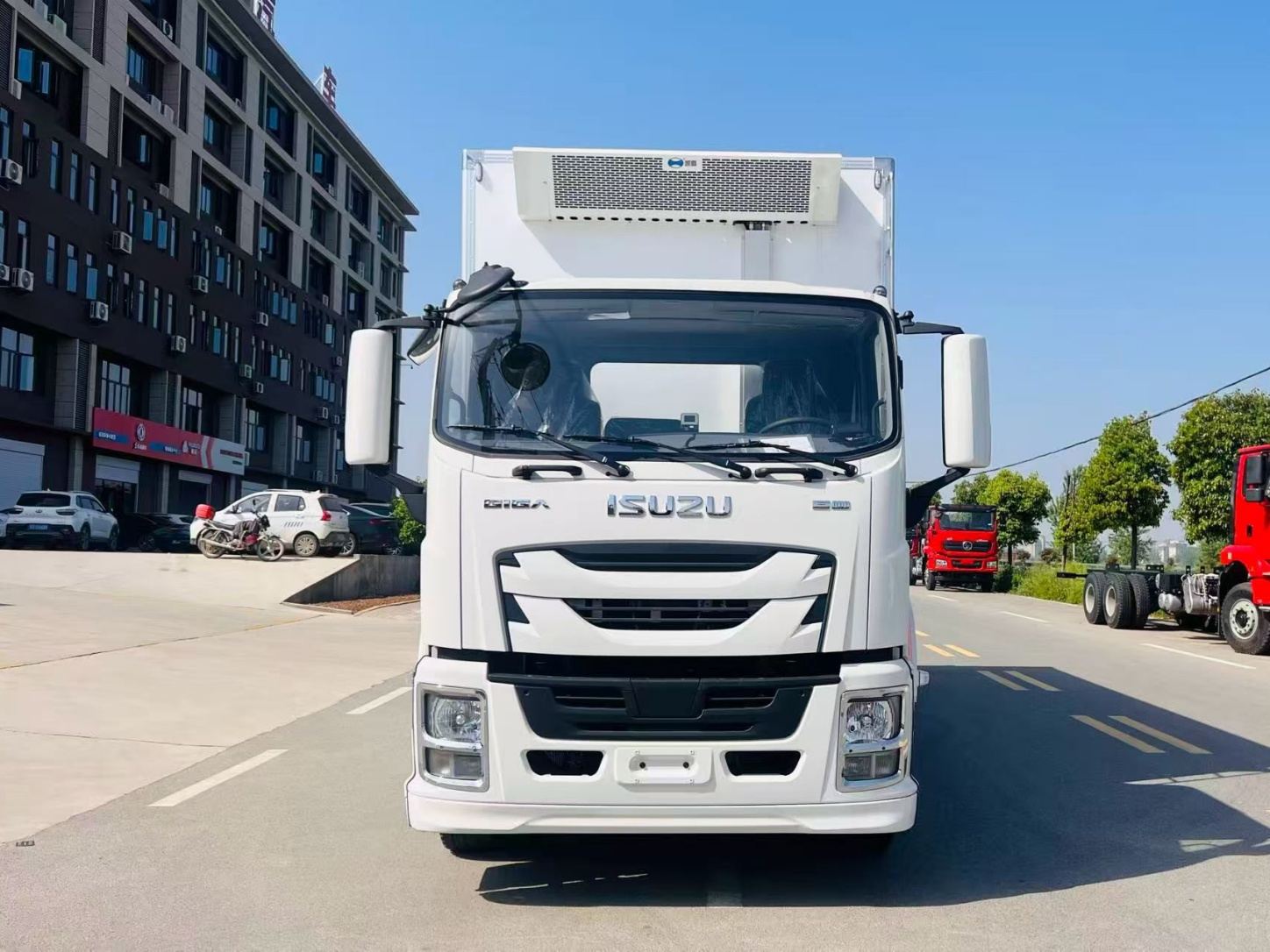
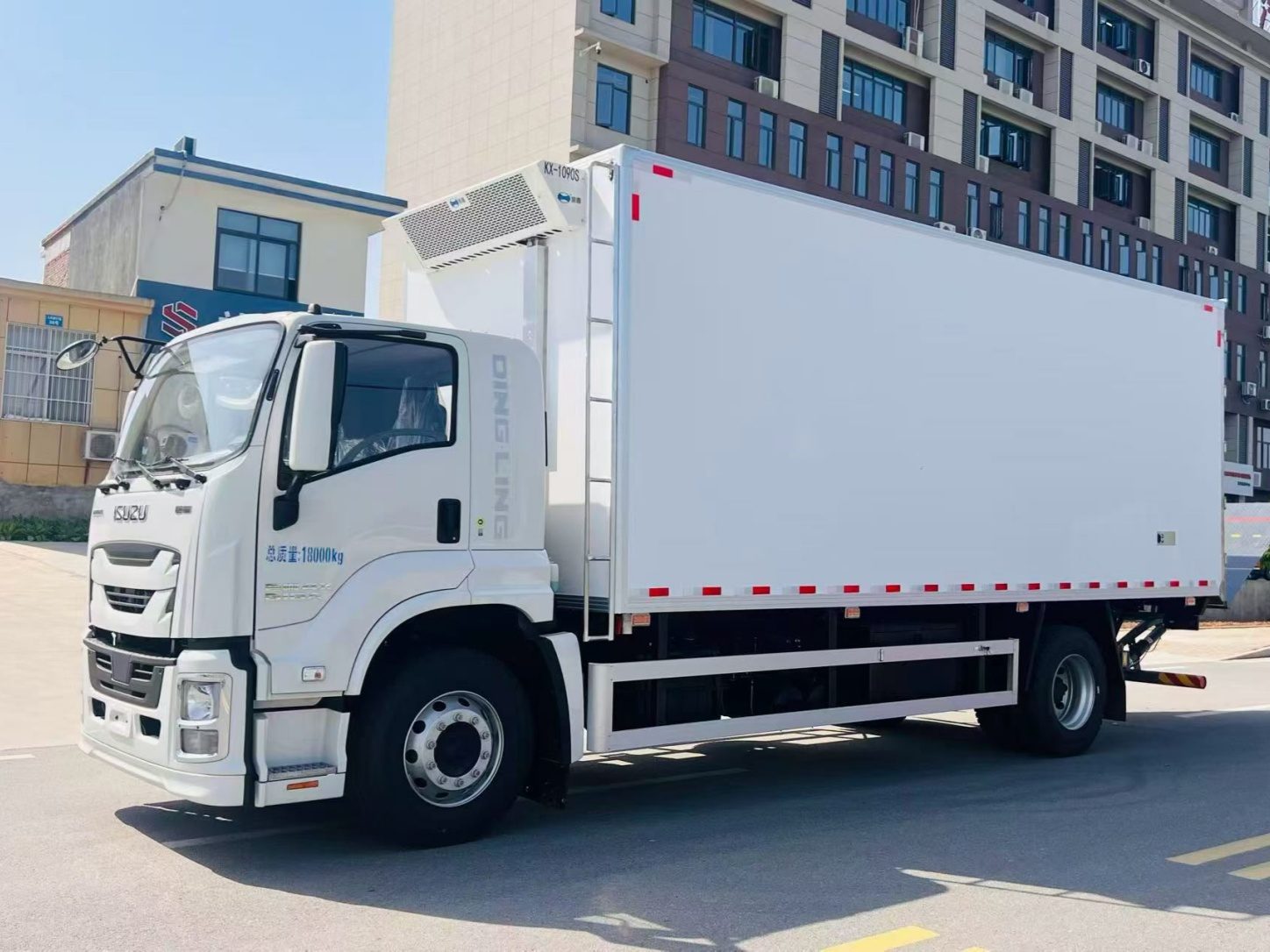
Whether you transport fresh food, frozen products, or pharmaceuticals, choosing the right Isuzu refrigerated truck can improve delivery efficiency and protect cargo quality.

Cold Chain Truck

Ideal for Food and Cold Chain Logistics

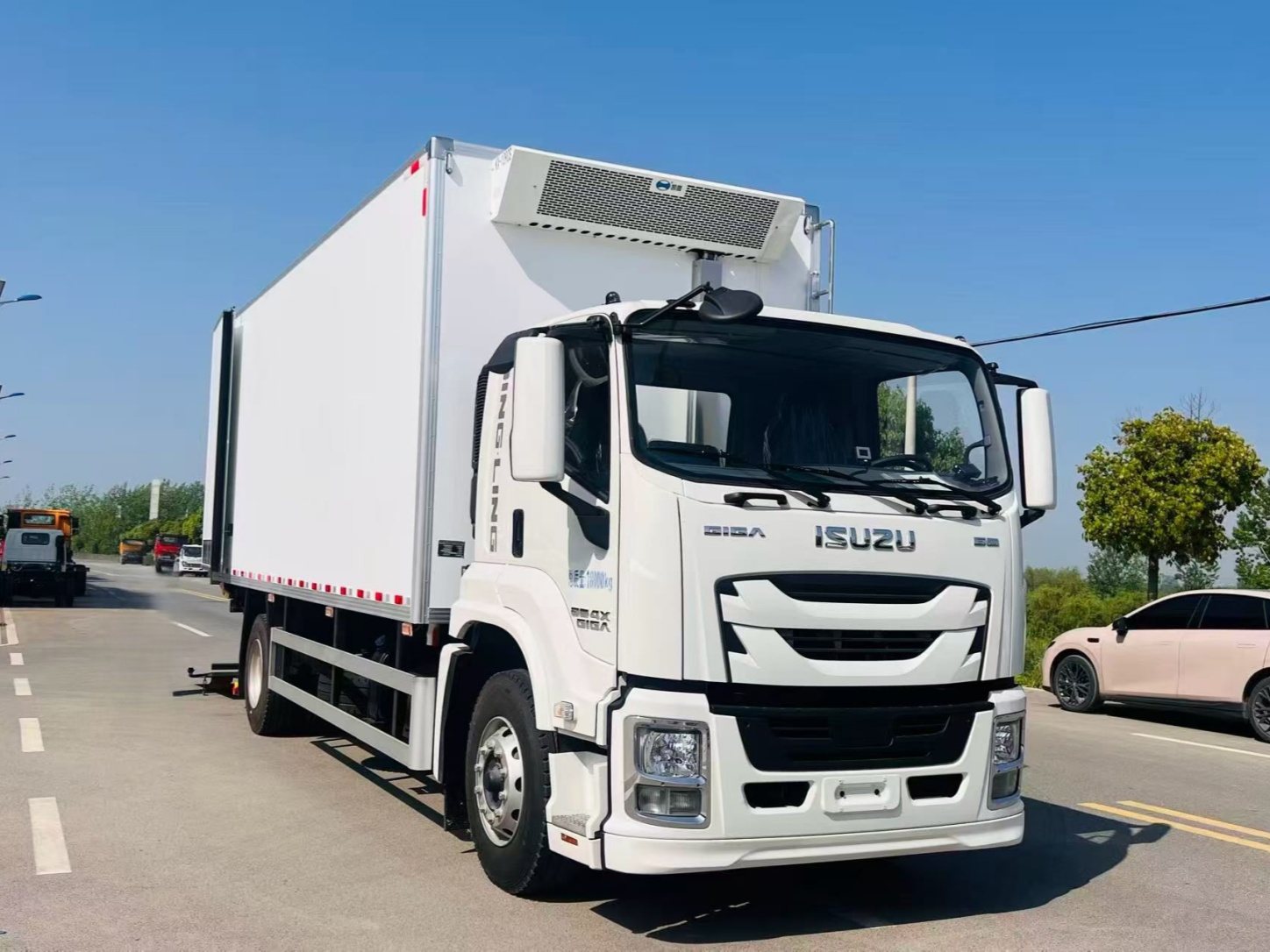
Isuzu refrigerated trucks are widely used for transporting vegetables, fruits, dairy products, seafood, frozen meat, and medical supplies. With reliable refrigeration systems and excellent fuel efficiency, they help businesses maintain product freshness throughout transportation.

One of our customers in Southeast Asia operates a food distribution company. They selected an Isuzu refrigerated truck with a temperature range of 0°C to 8°C for daily deliveries to supermarkets and restaurants. After upgrading their fleet, they reduced product losses and improved customer satisfaction.

Isuzu Refrigerated Truck

What to Consider Before Buying

Before purchasing a refrigerated truck, consider:

* Cargo type

* Required temperature range

* Payload capacity

* Delivery distance

* Refrigeration unit performance

* Local road regulations

Choosing the right configuration can help reduce operating costs and improve transportation efficiency.

Why Choose Isuzu Refrigerated Trucks?

* Reliable Isuzu chassis

* Fuel-efficient engine

* Durable insulated body

* Stable cooling performance

* Low maintenance costs

* Global spare parts support

Whether you need a small delivery truck or a larger cold chain vehicle, Isuzu offers solutions for various transportation needs.

Isuzu Reefer Truck

Get Your Quote Today

Contact us for factory-direct pricing, product catalogs, and shipping costs to your destination port.

✅ Factory Direct Pricing

✅ Professional Recommendations

✅ Global Export Support

Leave your email and destination port to receive a customized quotation within 24 hours.


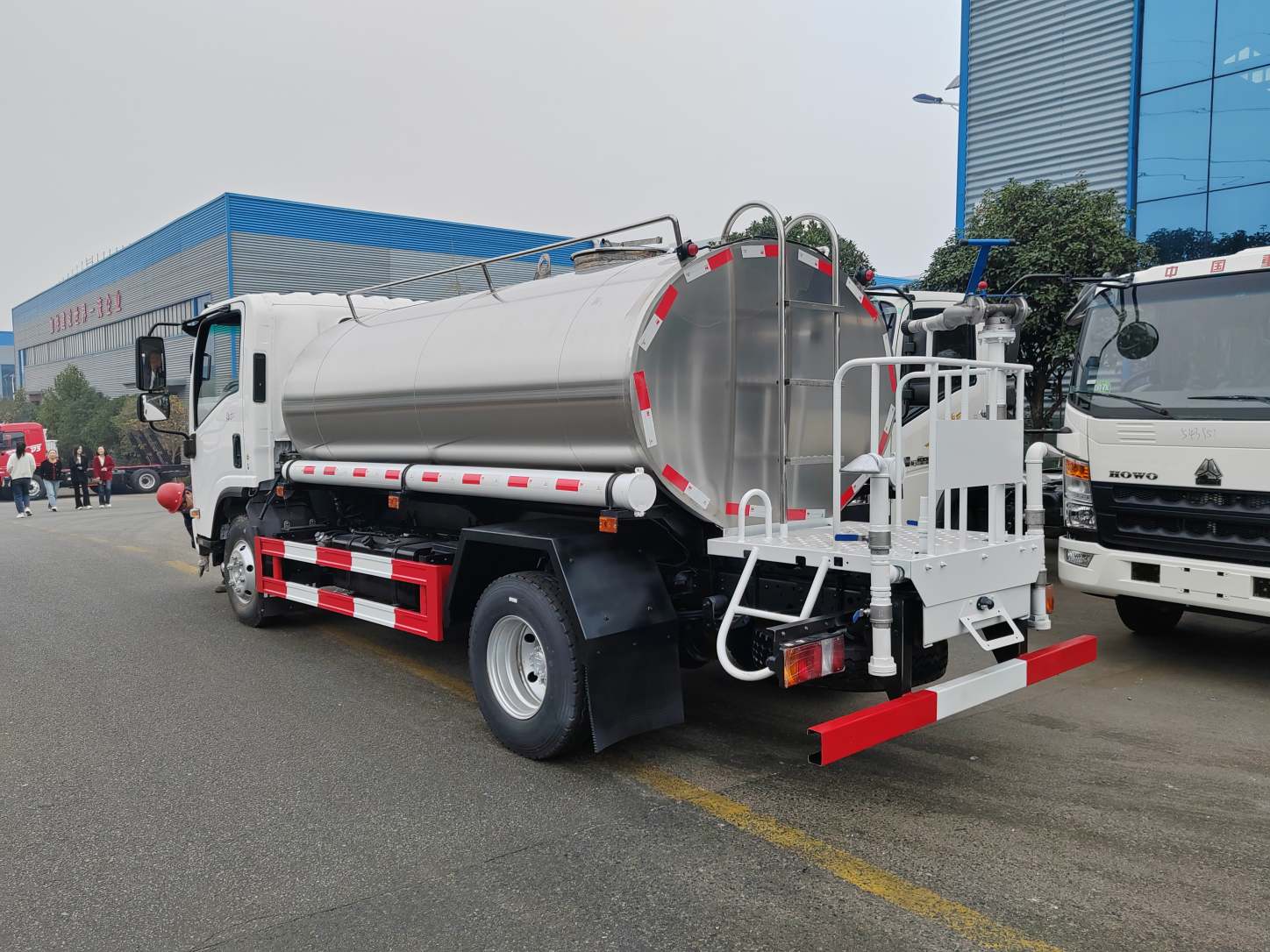
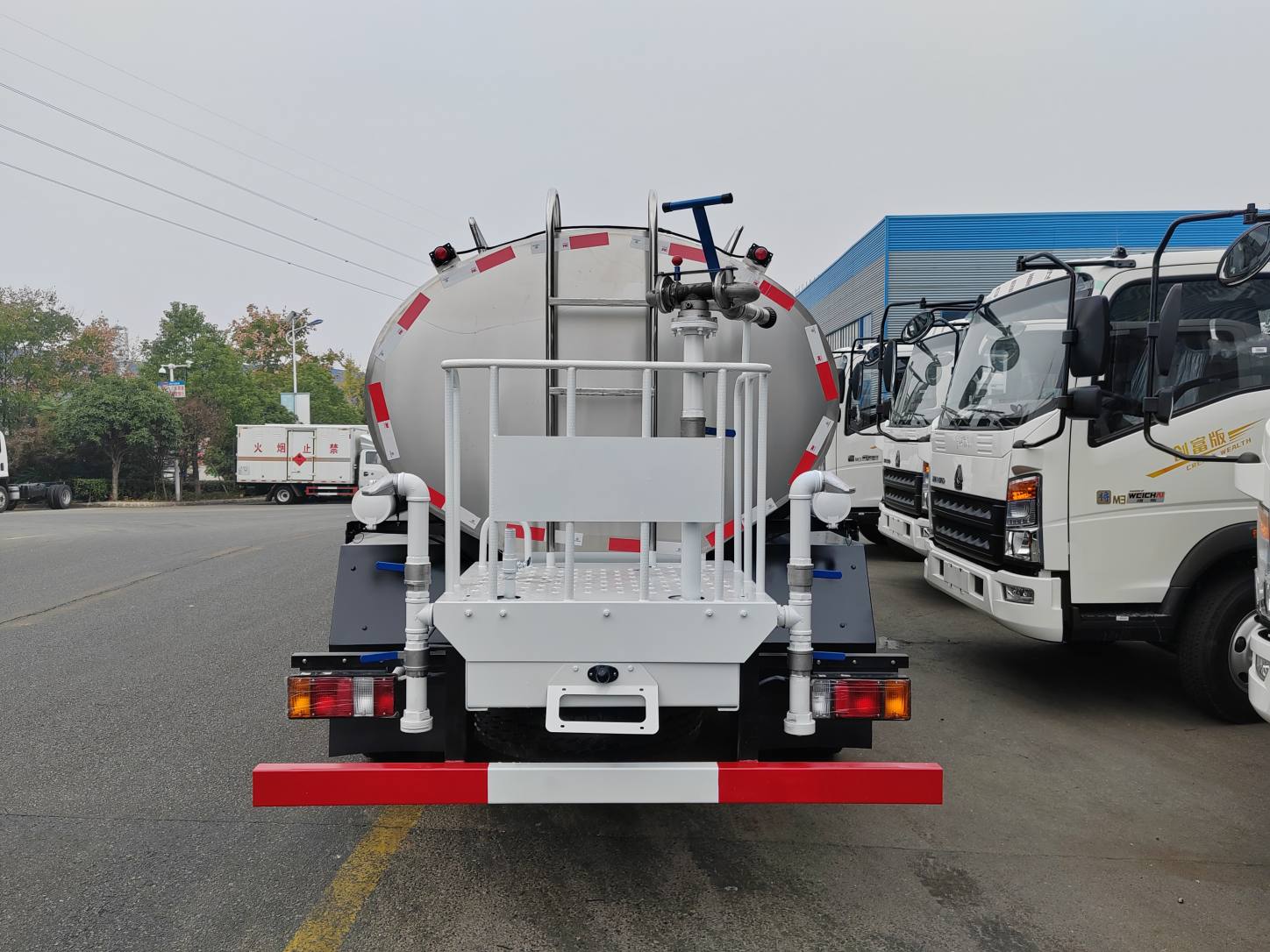
How to Choose the Right Isuzu Water Tank Truck for Your Business

How to Choose the Right Isuzu Water Tank Truck for Your Business

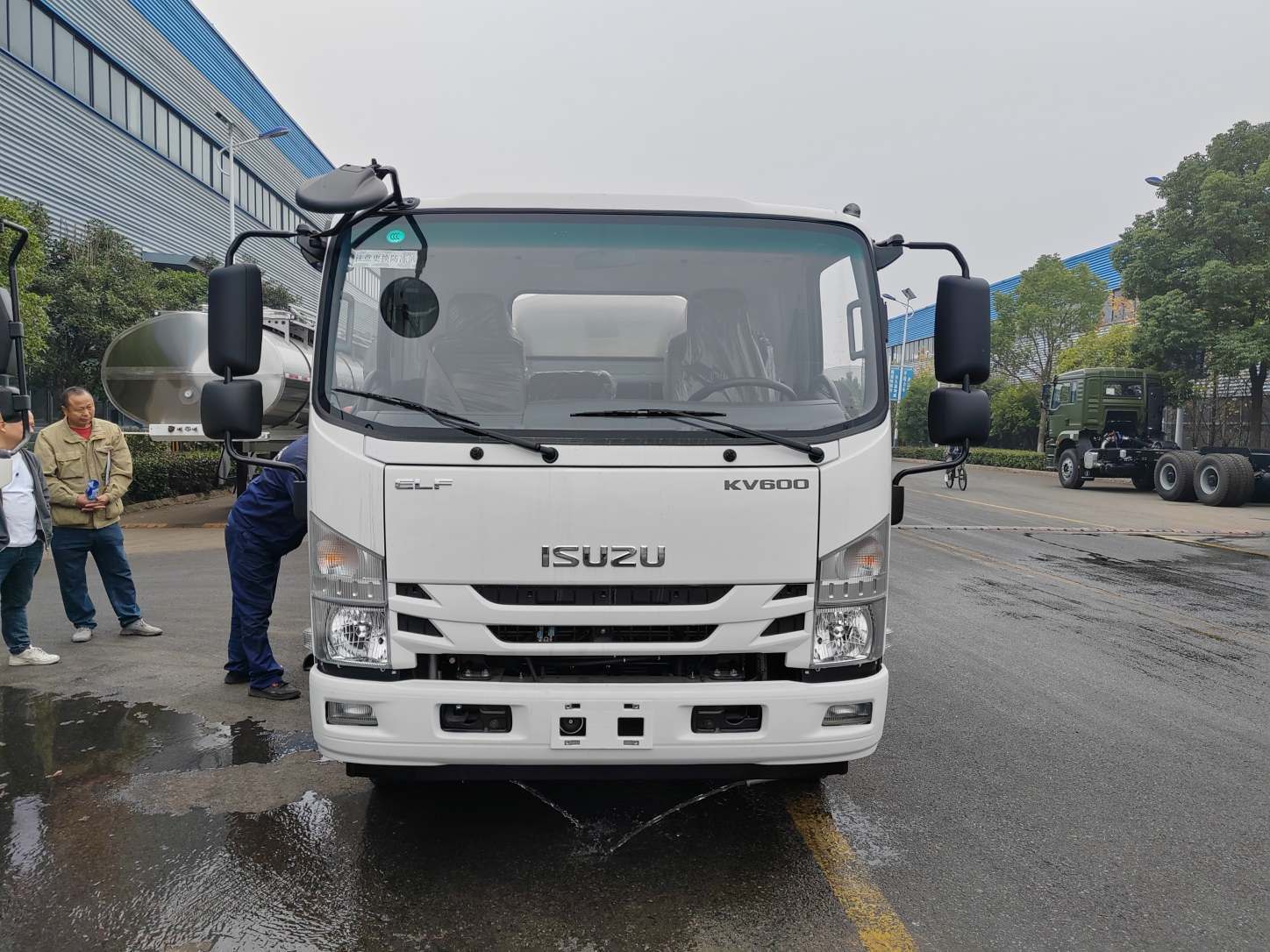
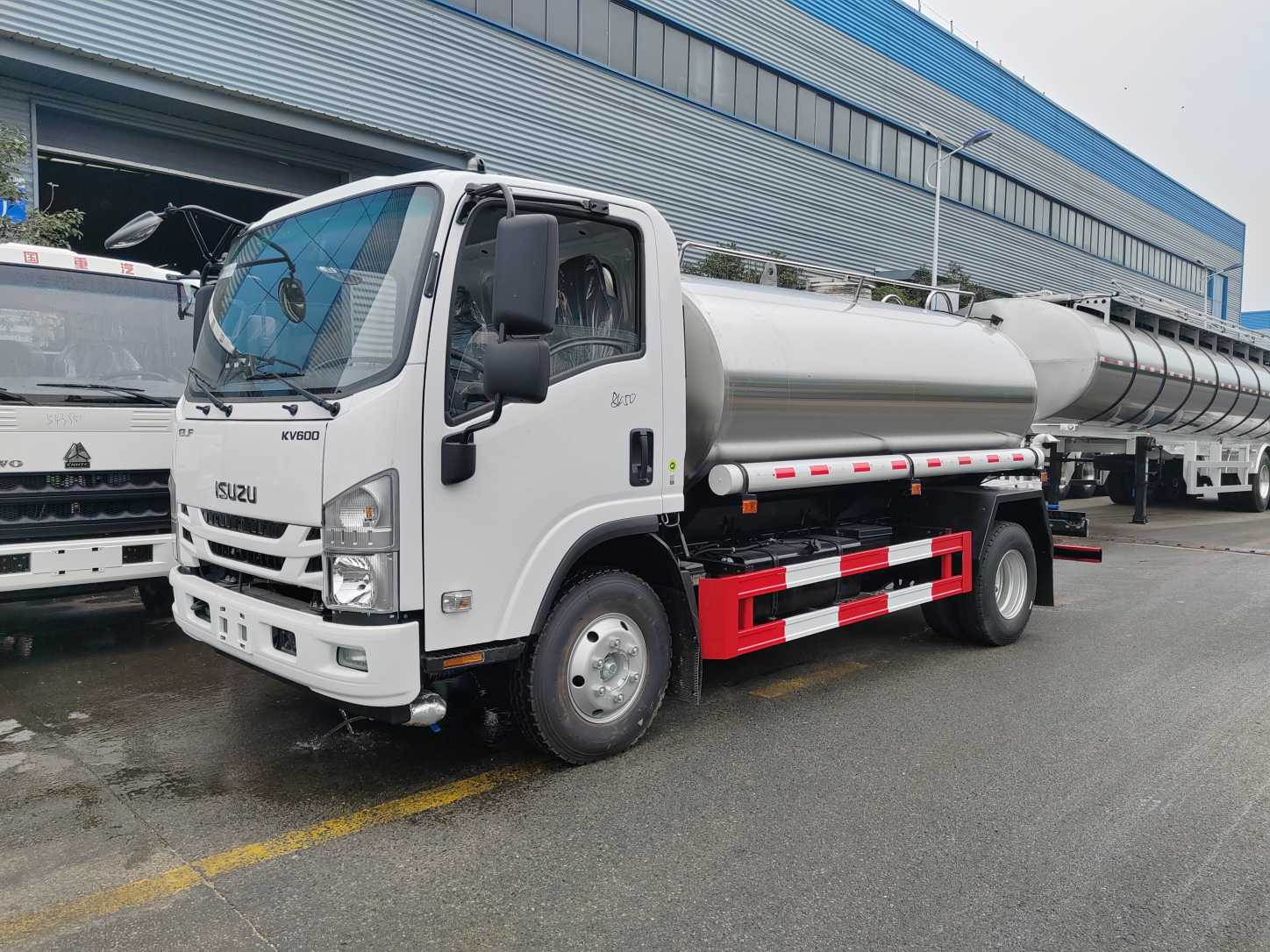
Whether you operate a municipal sanitation department, landscaping company, construction project, or mining site, choosing the right Isuzu water tank truck can improve operational efficiency and reduce maintenance costs.

Isuzu Water Tank Truck

Ideal for Dust Suppression and Road Cleaning

Isuzu water tank trucks are widely used for road washing, dust control, landscaping irrigation, and emergency water transportation. Equipped with high-pressure water pumps and multiple spray nozzles, they can efficiently cover large working areas.

One of our customers in Africa operates a road construction company. They selected a 10,000-liter Isuzu water bowser truck for daily dust suppression on construction sites. After introducing the vehicle, dust pollution was significantly reduced, improving both worker safety and environmental compliance.

Isuzu Water Bowser Truck

Applications of Isuzu Water Tank Trucks

  • Road cleaning and maintenance

  • Urban sanitation operations

  • Landscaping and tree irrigation

  • Construction site dust control

  • Mining area dust suppression

  • Emergency water supply

Different tank capacities are available to meet various operational requirements.

Water Sprinkler Truck

What to Consider Before Buying

Before purchasing a water tank truck, consider:

  • Required water tank capacity

  • Operating environment

  • Water spraying distance and coverage

  • Pump performance

  • Road and weight regulations

  • Spare parts and after-sales support

Choosing the proper configuration can help maximize productivity and lower operating costs.

Water Sprinkler Truck

Why Choose Isuzu Water Tank Trucks?

  • Reliable Isuzu chassis and engine

  • Excellent fuel efficiency

  • Durable water tank construction

  • Powerful water spraying system

  • Low maintenance costs

  • Global spare parts availability

From 5,000-liter to 20,000-liter models, Isuzu water tank trucks provide dependable solutions for municipal, industrial, and construction applications.

Get Your Quote Today

Contact us for the latest product catalog, factory-direct pricing, and shipping costs to your destination port.

✅ Factory Direct Pricing

✅ Professional Model Recommendations

✅ Custom Tank Capacity Options

✅ Global Export Support

Leave your email address and destination port, and our team will provide a customized quotation within 24 hours.

👉 Contact Us Today

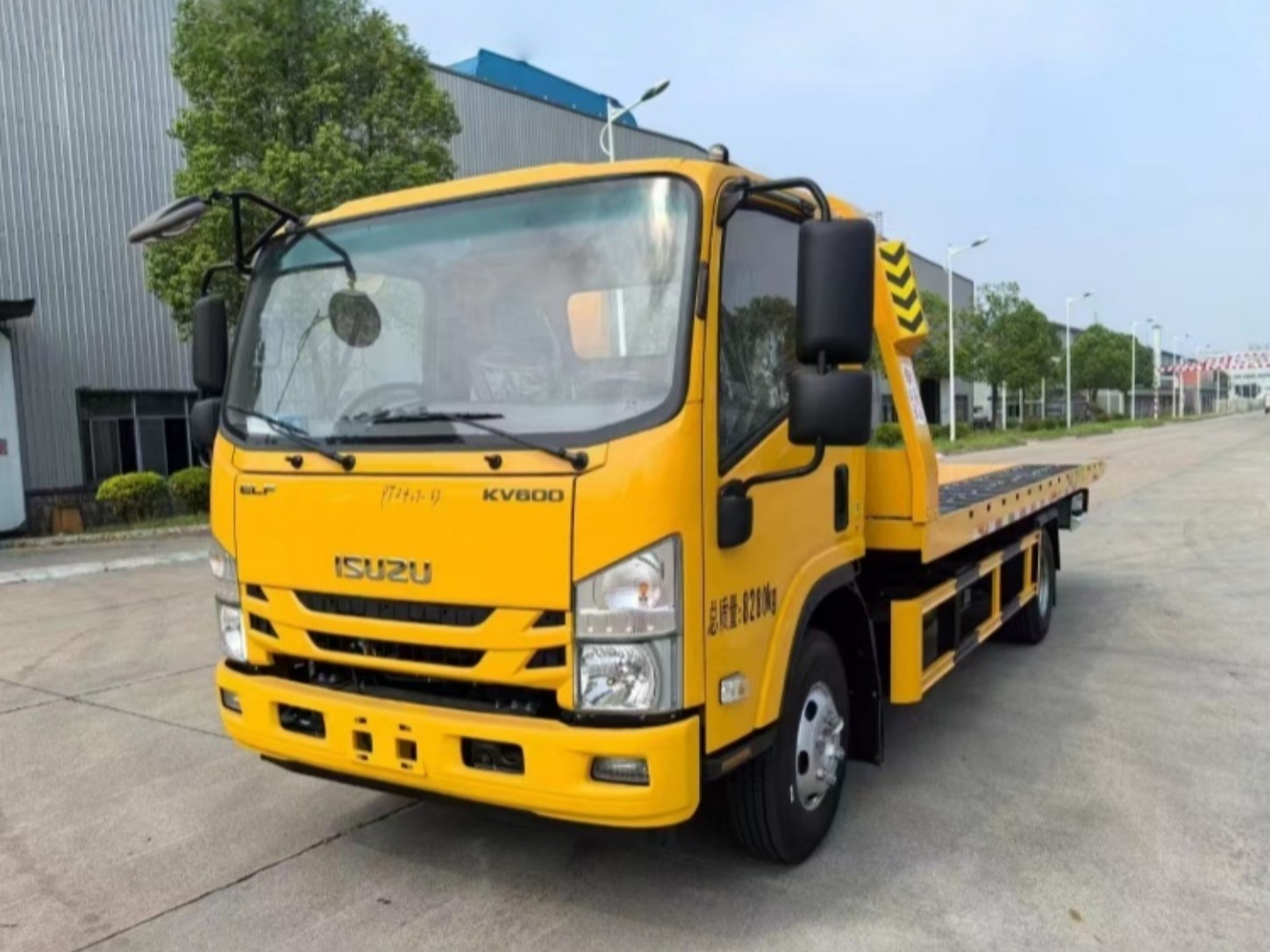
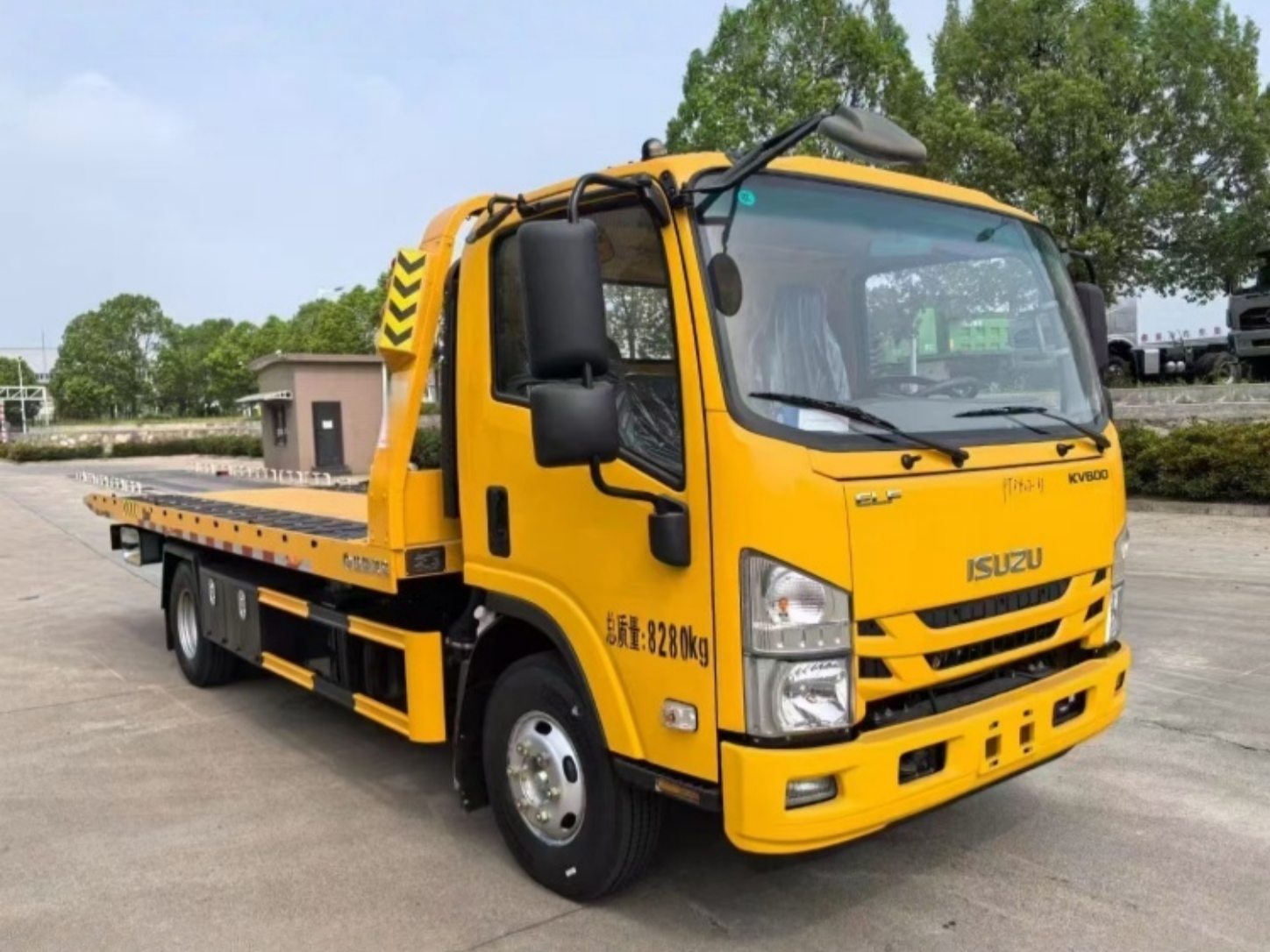
How to Choose the Right Isuzu Wrecker Truck for Your Recovery Business

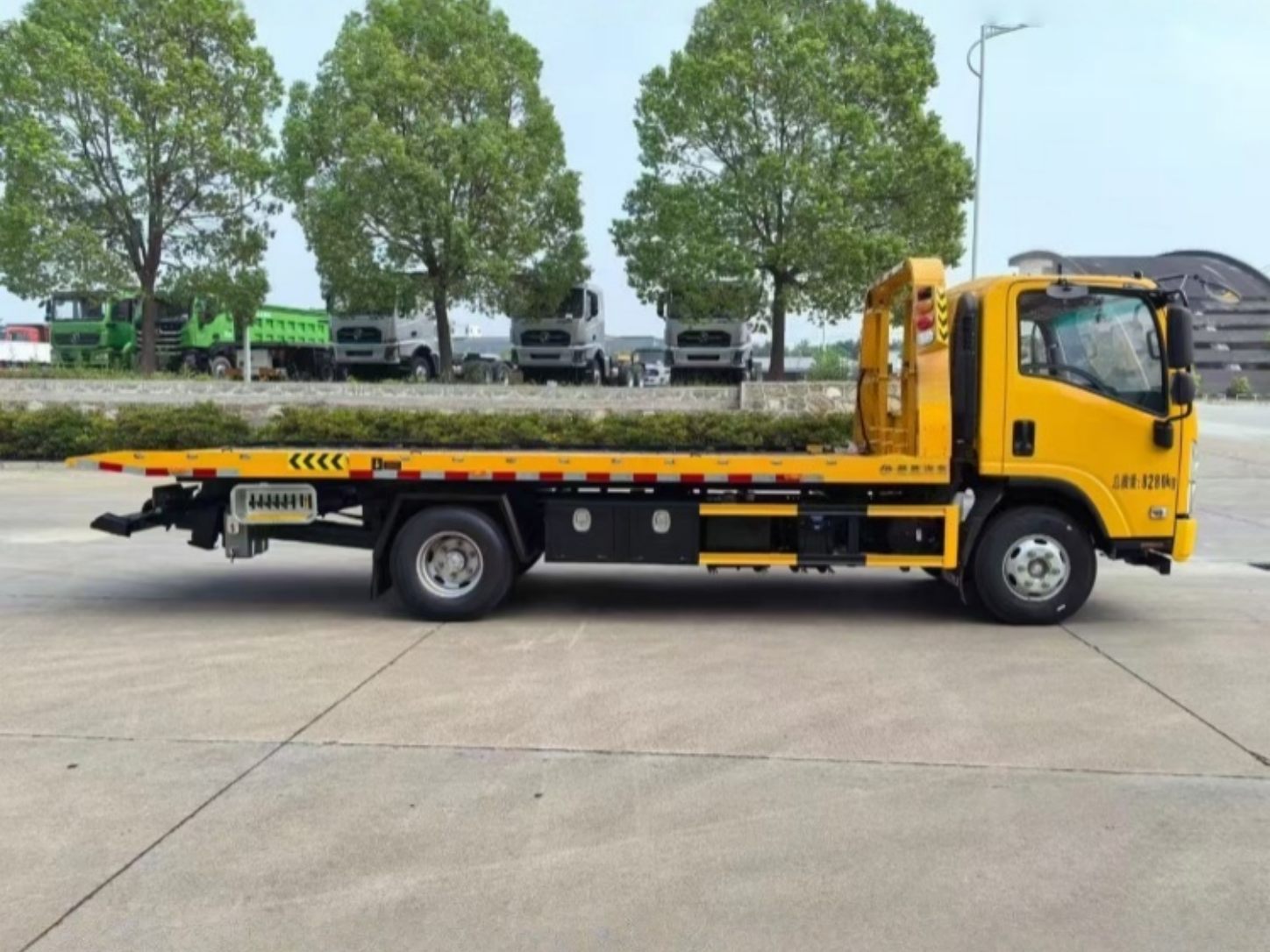
Whether you operate a roadside assistance company, vehicle transportation service, or municipal rescue fleet, choosing the right Isuzu wrecker truck can significantly improve efficiency and profitability. Different recovery tasks require different towing capacities, body configurations, and lifting systems. Understanding your operational needs is the first step toward selecting the ideal recovery vehicle.


Isuzu Flatbed Wrecker Trucks


Flatbed Wrecker Trucks: Ideal for Vehicle Transportation

Flatbed wrecker trucks are one of the most popular choices for transporting damaged, luxury, or non-operational vehicles. The hydraulic tilt-and-slide platform allows vehicles to be loaded safely without causing additional damage.For example, one of our customers in South America operates a vehicle transportation company specializing in new car delivery. They selected a 5-ton Isuzu flatbed wrecker truck because it provides safe loading and unloading while minimizing the risk of scratching high-value vehicles. Since introducing the flatbed recovery truck, the company has improved transportation efficiency and reduced vehicle damage claims.


Wheel-Lift Wrecker Trucks: Fast and Efficient Urban Recovery

Wheel-lift wrecker trucks are designed for quick towing operations, especially in urban environments where parking space is limited. The wheel-lift mechanism allows operators to recover vehicles quickly without loading them onto a platform.

A roadside assistance company in Africa upgraded its fleet with several Isuzu wheel-lift tow trucks. Previously, recovery operations in congested city areas often caused traffic delays. After switching to wheel-lift models, the company reduced average recovery times and improved customer satisfaction.


Isuzu Flatbed Wrecker Trucks


Heavy-Duty Wrecker Trucks: Built for Large Vehicle Recovery

For buses, trucks, and construction equipment, a heavy-duty wrecker truck is often required. These models are equipped with powerful winches, reinforced booms, and higher towing capacities.

A customer operating a highway rescue service in the Middle East selected an Isuzu heavy-duty wrecker truck equipped with dual winches and an extended recovery boom. During a recent highway accident involving a fully loaded cargo truck, the vehicle was recovered safely and efficiently without requiring additional support equipment.


Factors to Consider Before Buying

Before purchasing an Isuzu wrecker truck, consider the following factors:

  • Types of vehicles you need to recover
  • Required maximum towing and lifting capacity
  • Urban or highway operating environment
  • Frequency of recovery operations
  • Local road regulations and weight restrictions
  • Availability of spare parts and after-sales service

Selecting the right configuration can improve productivity while reducing long-term operating costs.


Heavy-Duty Wrecker Trucks


Isuzu wrecker trucks are available in a variety of configurations, from flatbed carriers and wheel-lift models to heavy-duty recovery vehicles. Understanding your business requirements and recovery scenarios will help you choose the most suitable model and maximize your return on investment.


Get Your Isuzu Wrecker Truck Quote Today

Contact us for the latest product catalog, factory-direct pricing, and shipping costs to your destination port.

✅ Factory Direct Pricing

✅ Professional Model Recommendations

✅ Real-Time Shipping Estimates

✅ Global Export Support

Leave your email address and destination port, and our team will provide a customized quotation within 24 hours.

👉 Contact Us Today


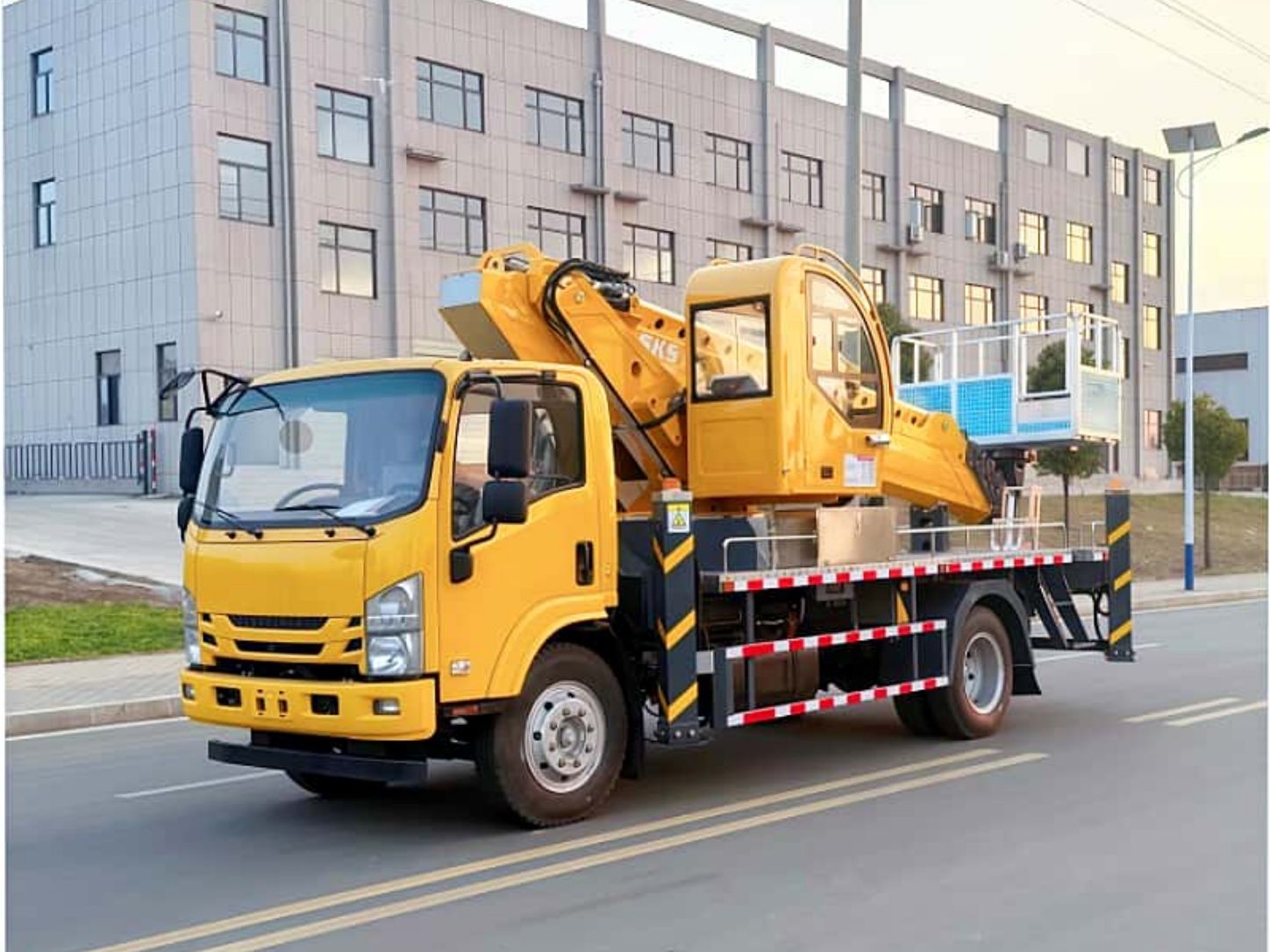
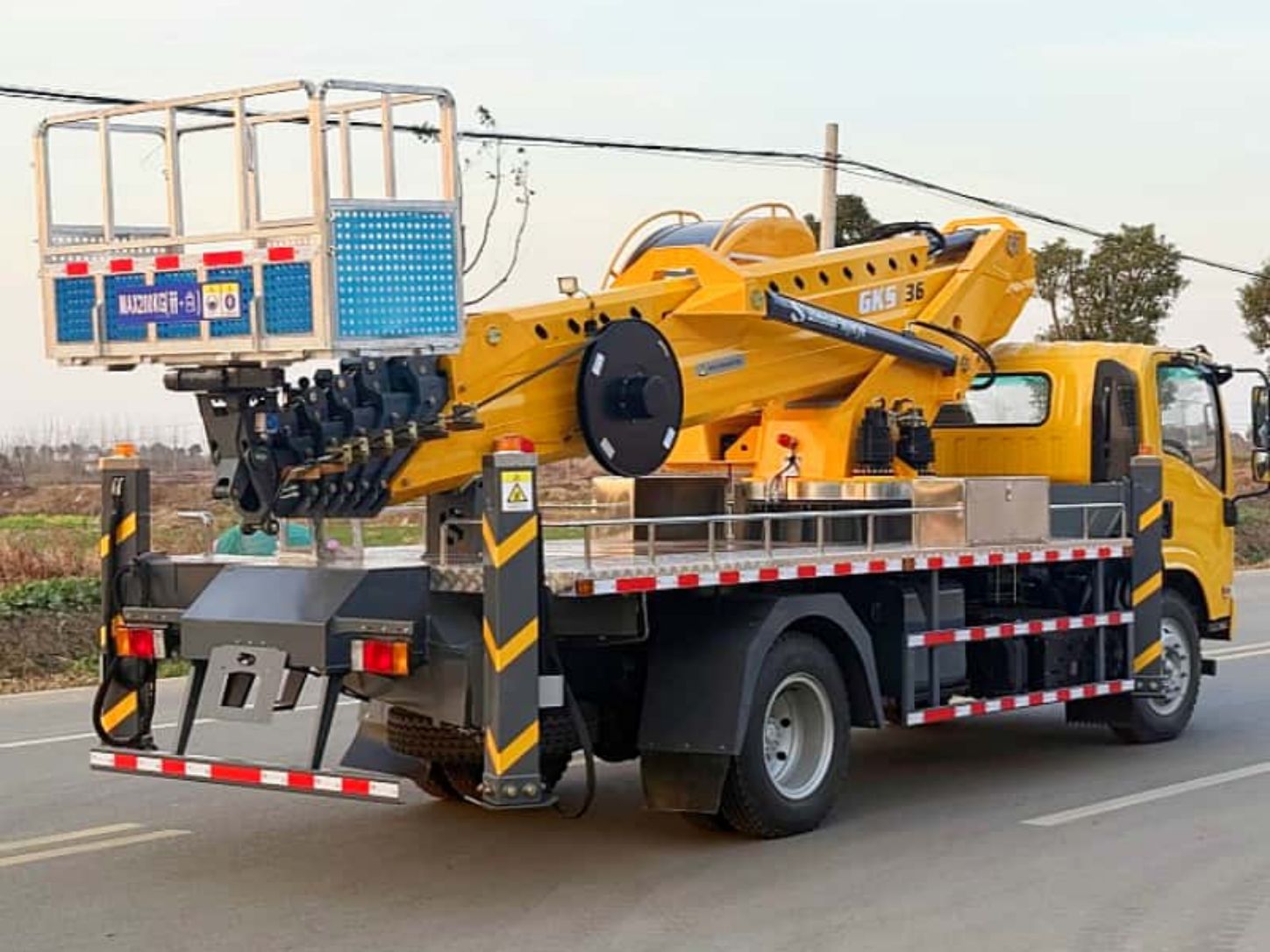
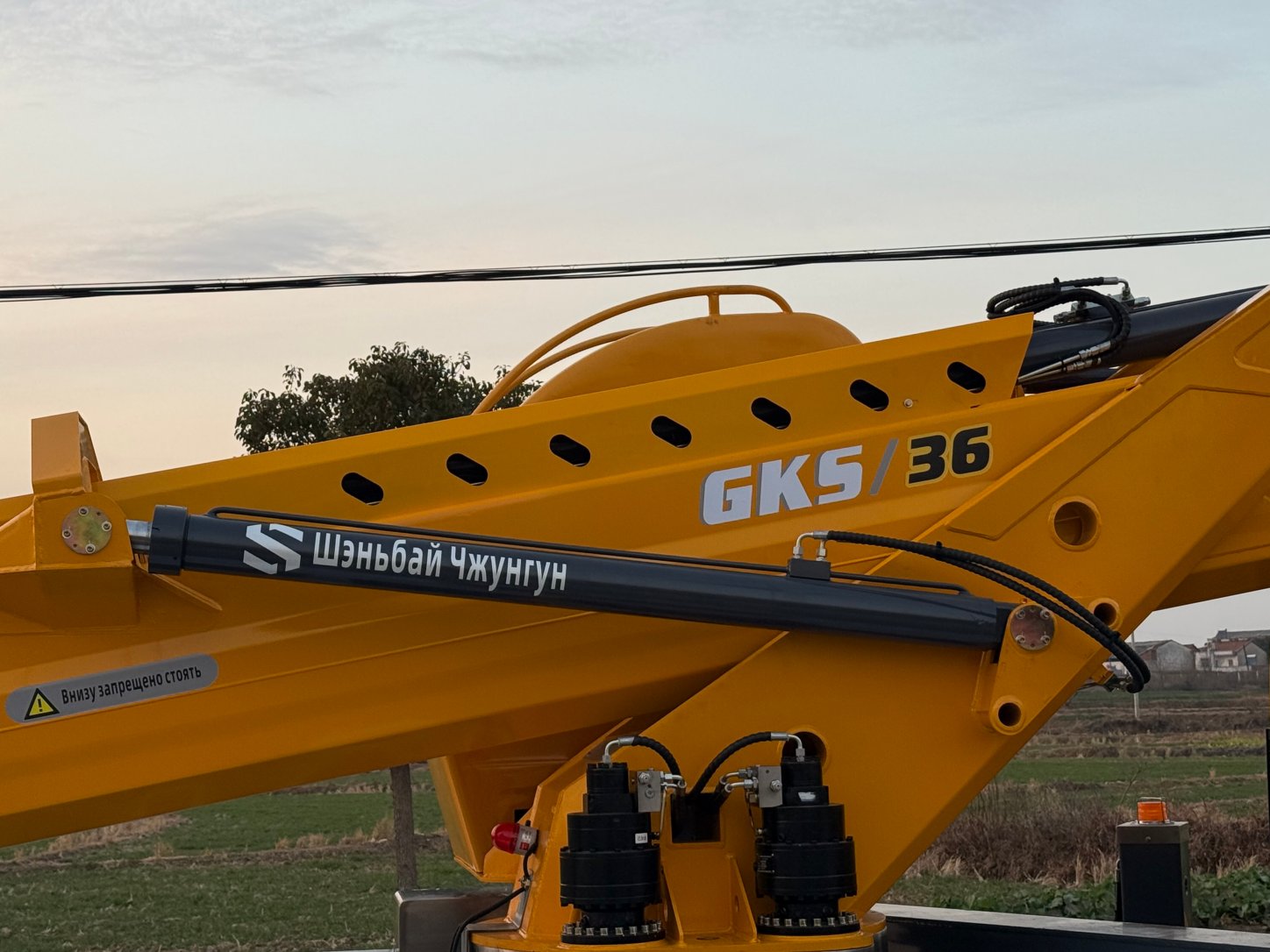
Three Key Types of Maintenance for Isuzu Aerial Work Platform Trucks

Isuzu aerial work platform trucks are widely used for power line maintenance, streetlight installation, telecommunications projects, building maintenance, and municipal operations. Regular maintenance is essential to ensure operator safety, reduce downtime, and extend equipment service life. Based on practical operating experience, maintenance can be divided into three key categories: routine maintenance, preventive maintenance, and corrective maintenance.


Isuzu aerial work platform trucks


1. Routine Maintenance: Daily Inspections Improve Safety

Routine maintenance includes inspecting the hydraulic system, boom structure, work platform, outriggers, and electrical control system before and after each operation. Operators should check hydraulic oil levels, look for leaks, verify the condition of safety devices, and ensure that all control functions are working properly.

For example, a customer in Southeast Asia operating a 22-meter Isuzu aerial work platform truck noticed that the boom movement became slower during lifting operations. During a routine inspection, technicians discovered a loose hydraulic fitting that caused a minor oil leak and reduced system pressure. After tightening the fitting and replenishing the hydraulic oil, the equipment returned to normal operation. This simple inspection prevented a larger hydraulic system failure and avoided costly downtime.


Isuzu 45m Telescopic Boom Aerial Work Platform Truck


2. Preventive Maintenance: Scheduled Service Prevents Unexpected Failures

Preventive maintenance should be carried out according to operating hours and manufacturer recommendations. Key tasks include replacing hydraulic filters, inspecting cylinder seals, lubricating pivot points, checking electrical wiring, and testing safety interlock systems.

A utility contractor in South America operates several 28-meter Isuzu aerial work platform trucks and performs preventive maintenance every 500 operating hours. During one scheduled inspection, technicians discovered cracks developing in a boom pivot bushing due to continuous heavy-duty use. The worn component was replaced before failure occurred, preventing a potential safety hazard and avoiding expensive repairs. This case demonstrates how preventive maintenance helps identify hidden issues before they affect operations.

Isuzu 45m Telescopic Boom Aerial Work Platform Truck


3. Corrective Maintenance: Fast Repairs Keep Projects on Schedule

Corrective maintenance is required when equipment develops faults that affect performance. Common issues include boom lifting failures, platform control malfunctions, hydraulic leaks, and electrical system faults.

One customer in Africa reported that their 20-meter Isuzu aerial work platform truck could not raise the platform to its maximum working height during a telecommunications project. After troubleshooting, technicians found that a damaged hydraulic cylinder seal was causing internal pressure loss. The faulty seal was replaced, and the hydraulic system was tested. As a result, the platform regained its full lifting capability. Timely corrective maintenance minimized project delays and prevented further damage to hydraulic components.

Isuzu 45m Telescopic Boom Aerial Work Platform Truck


Routine maintenance, preventive maintenance, and corrective maintenance are all essential for maximizing the performance and service life of an Isuzu aerial work platform truck. Daily inspections help identify visible issues, scheduled servicing reduces the risk of unexpected failures, and timely repairs restore equipment to peak operating condition. Companies that follow a comprehensive maintenance strategy can improve safety, reduce operating costs, and increase equipment utilization.


Get Your Isuzu Aerial Work Platform Truck Quote Today

Contact us for the latest product catalog, factory-direct pricing, and shipping costs to your destination port.

✅ Factory Direct Pricing

✅ Free Spare Parts Package

✅ Real-Time Shipping Estimates

✅ Professional Model Recommendations

Leave your email address and destination port, and our team will provide a customized quotation within 24 hours.

👉 Contact Us Today

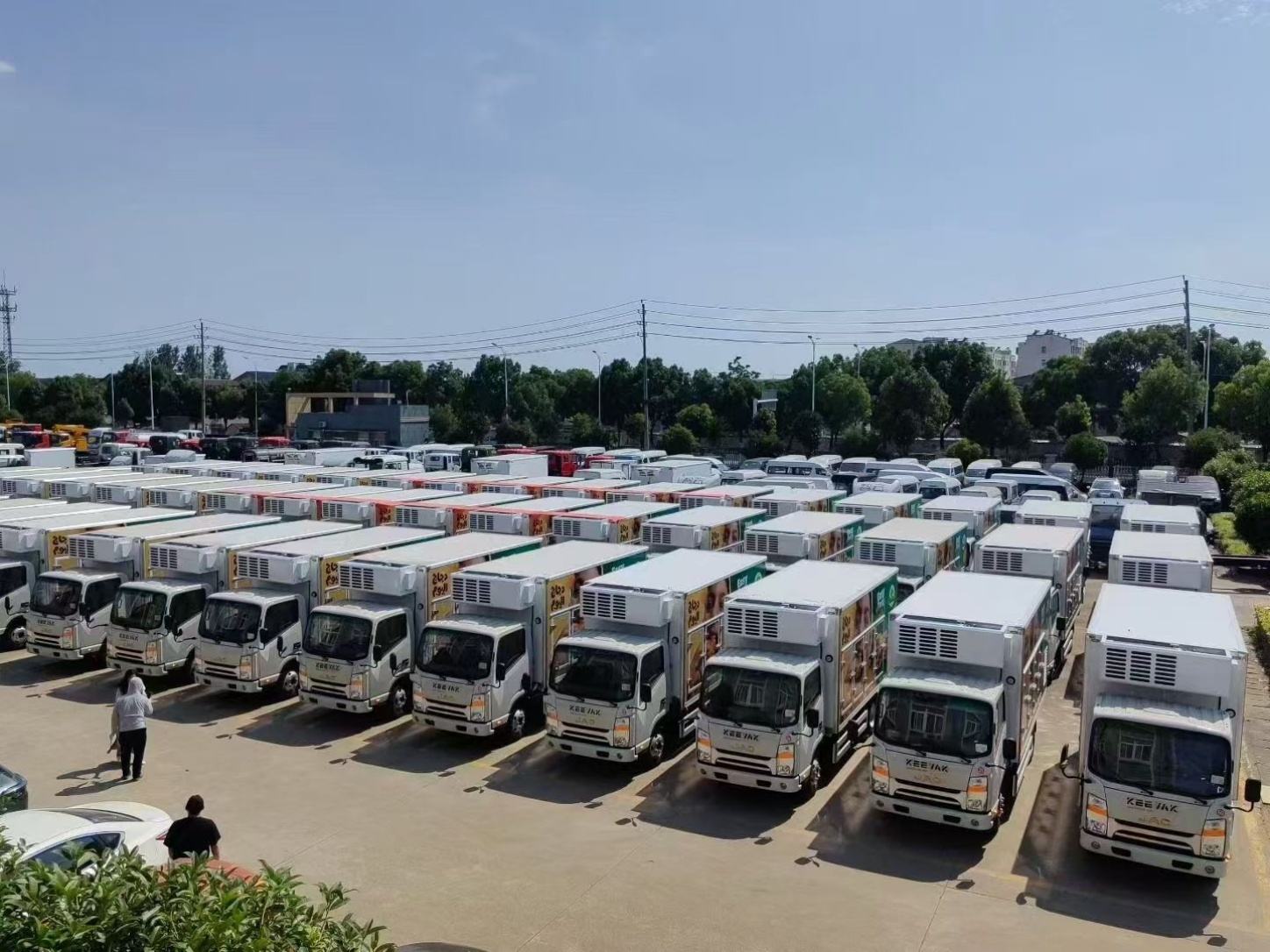
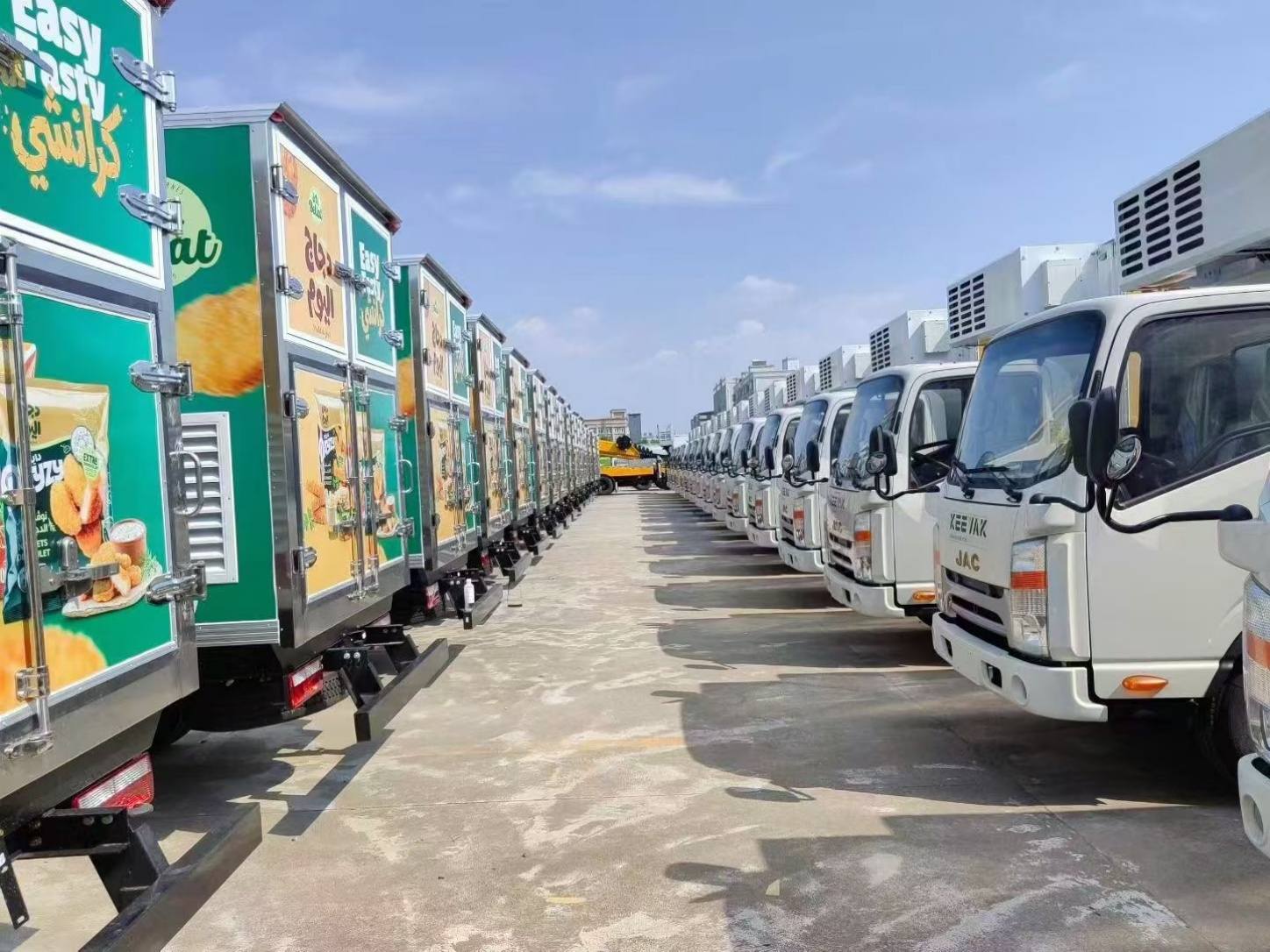
-40°C Ice Cream Freezer Trucks | 50 Units Ready for Export

In the global frozen food logistics industry, ultra-low temperature transportation has become essential for maintaining product quality and expanding international distribution networks.

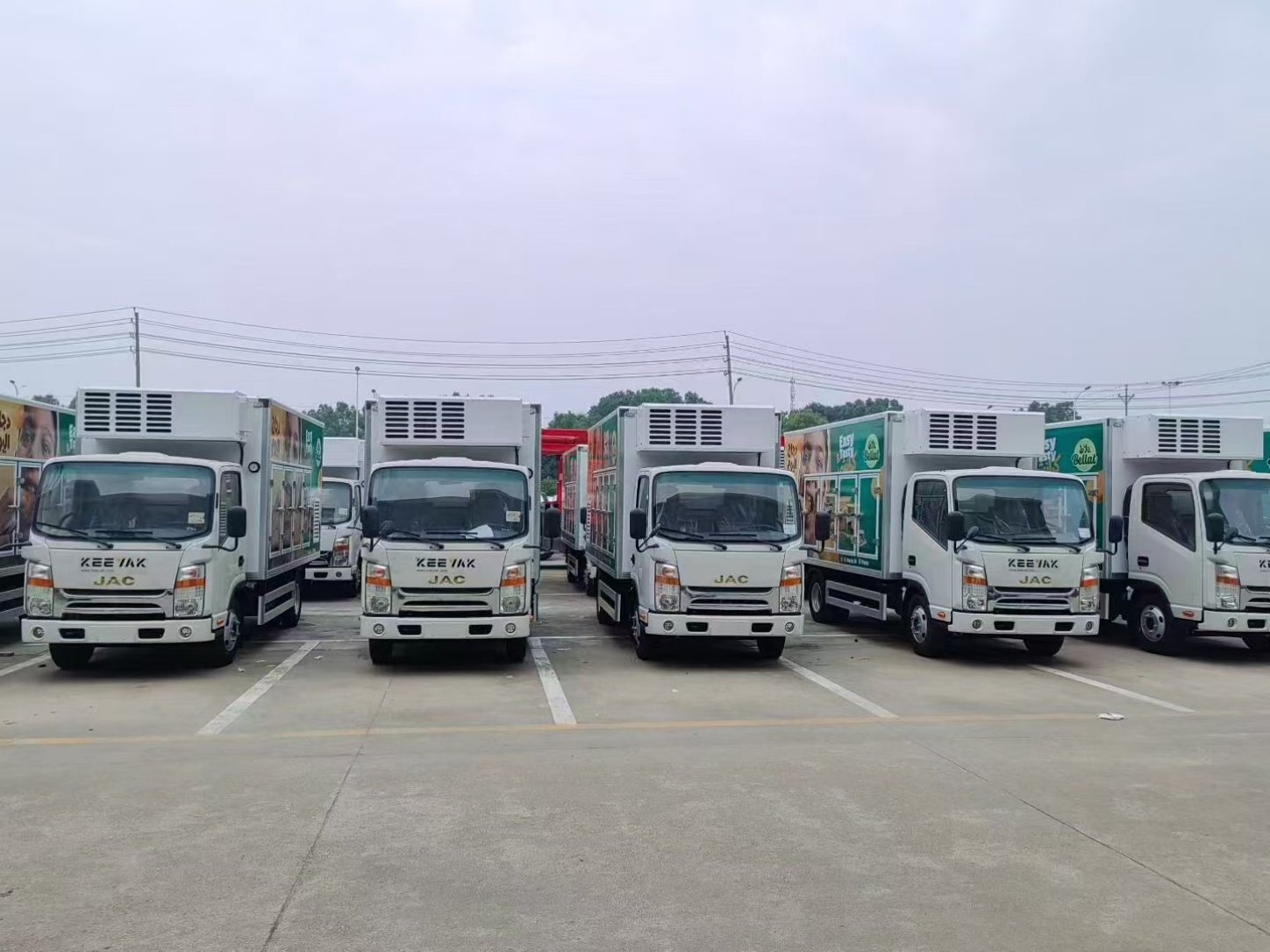
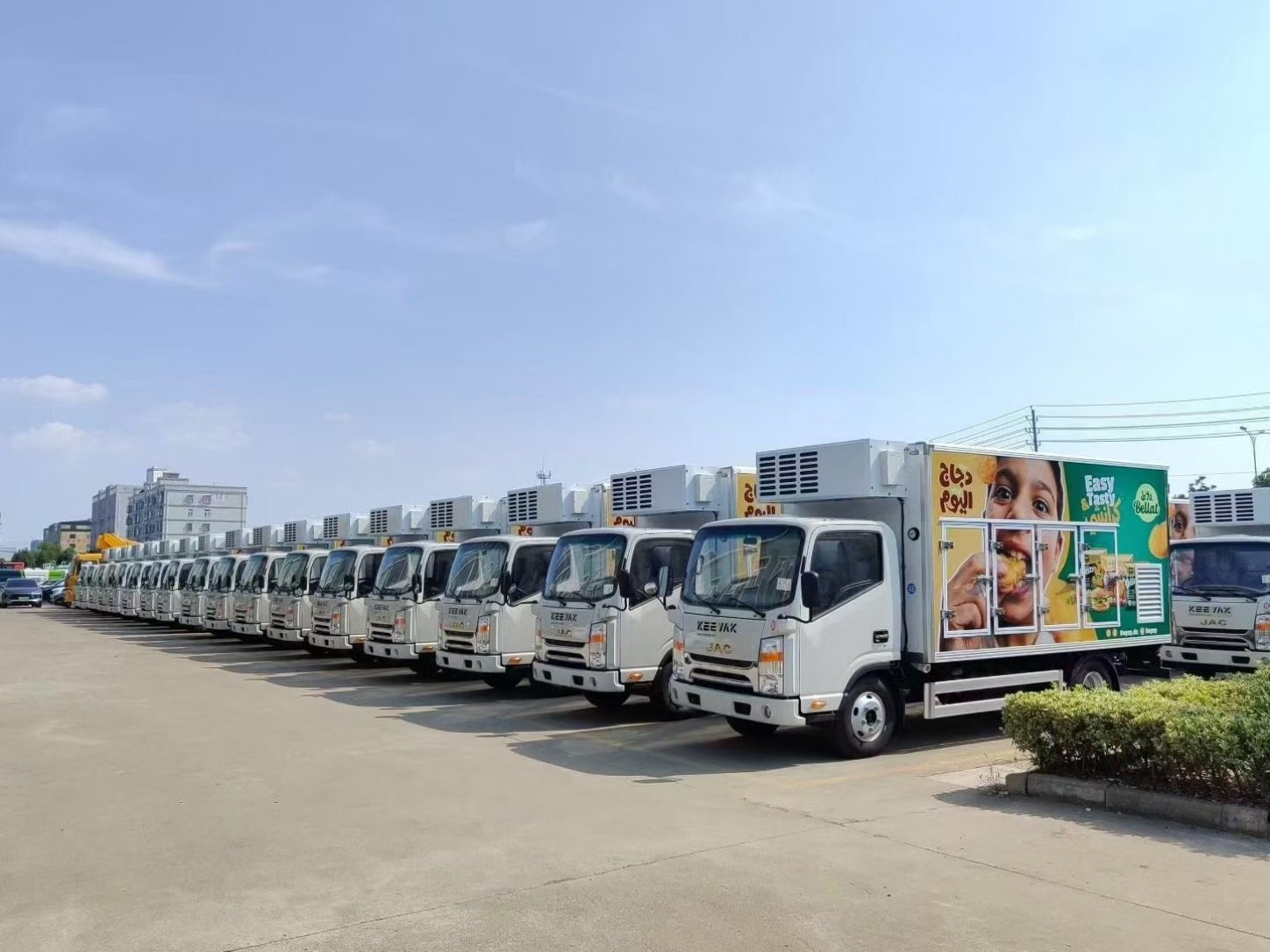
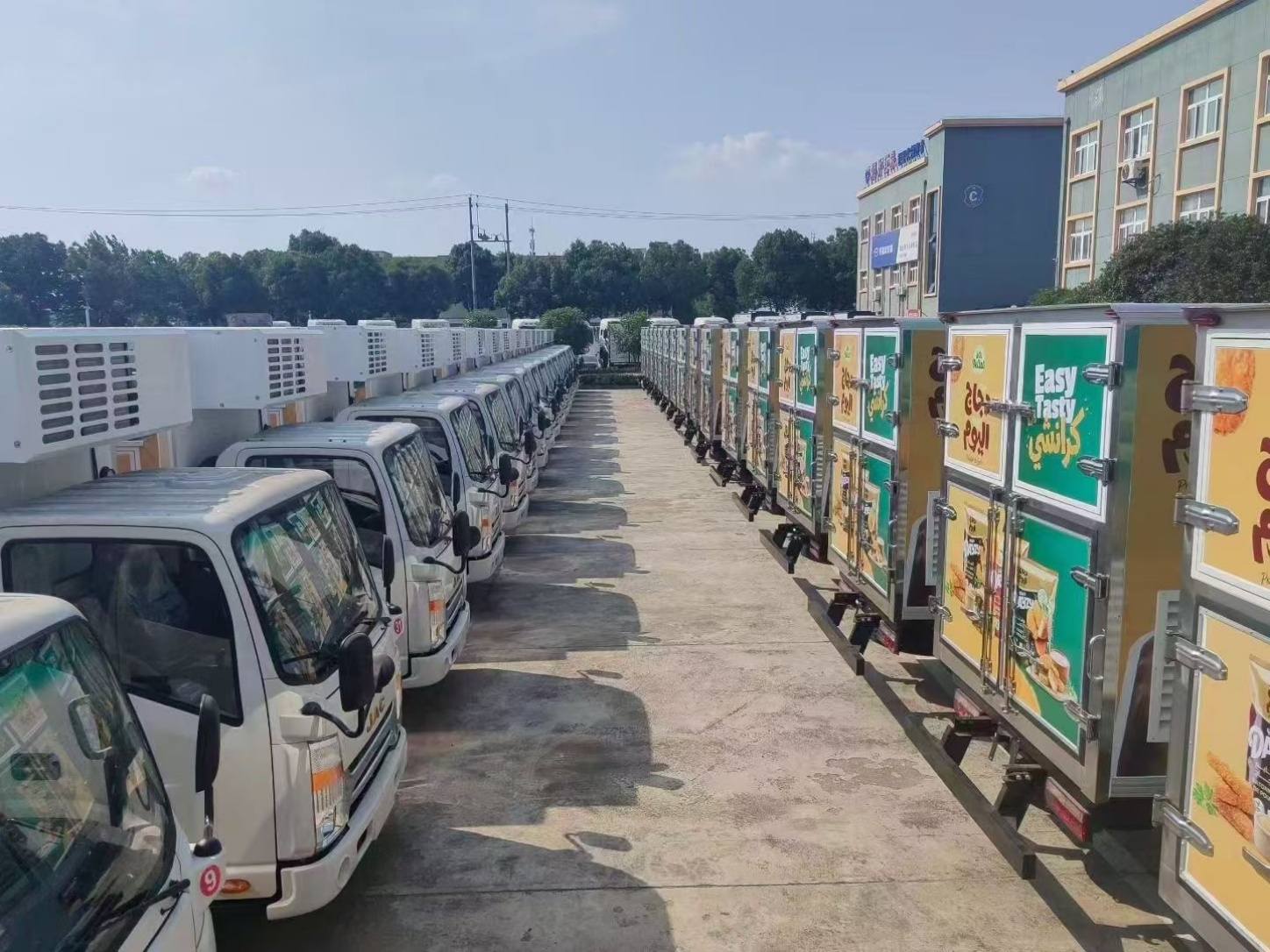
Recently, a batch of 50 units of -40°C ice cream refrigerated trucks has been successfully completed for export delivery. This project combines advanced cold chain engineering with AI smart monitoring technology, representing a new level of intelligent logistics capability.

Ice Cream Truck for Sale

This 50-unit shipment demonstrates strong manufacturing capacity and reliable export execution for global cold chain projects.

Each vehicle was produced under strict quality standards and prepared for international shipment with full inspection, including:

  • Refrigeration system performance testing

  • Insulation body sealing verification

  • Load and durability testing

  • Export compliance inspection

This ensures every truck is ready for long-distance cold chain transportation across different climate conditions.

Refrigerated Truck Export

Product Application Scenarios

The -40°C ice cream freezer trucks are widely used in multiple frozen logistics industries, including:

  • Ice cream manufacturing and distribution

  • Frozen dessert transportation

  • Dairy product cold chain logistics

  • Supermarket and retail supply chains

  • International frozen food export business

With ultra-low temperature stability, these trucks ensure product quality remains unchanged from factory to final destination.

Cold Chain Logistics Truck

-40°C Ultra-Low Temperature Technology

These refrigerated trucks are engineered for deep freezing performance, capable of maintaining temperatures as low as -40°C.

Key technical features include:

  • High-efficiency refrigeration compressor system

  • Multi-layer insulated cargo body structure

  • Fast cooling and stable temperature control

  • Continuous operation under high ambient temperatures

This ensures ice cream products remain solid, fresh, and stable during long-distance transportation.

Freezer Truck Bulk Export

Smart Cold Chain Monitoring System

To improve logistics efficiency and safety, the trucks are equipped with an AI-based smart cold chain system.

Core functions include:

  • Real-time temperature monitoring inside cargo space

  • AI alerts for abnormal temperature changes

  • Remote fleet tracking and management

  • Data analysis for route and energy optimization

This intelligent system reduces cargo risk and improves transparency in international logistics operations.

JAC Freezer Truck Export

How to Choose an Ice Cream Freezer Truck

Before purchasing a -40°C freezer truck, consider the following factors:

  • Required temperature range for cargo

  • Daily transport distance and route conditions

  • Cargo volume and truck capacity

  • Refrigeration system performance level

  • Insulation body quality and thickness

  • After-sales service and spare parts availability

Choosing the right configuration helps reduce operating costs and ensures long-term transportation stability.

Why Choose Our -40°C Ice Cream Refrigerated Trucks?

Our cold chain vehicles offer strong advantages for global buyers:

  • Stable ultra-low temperature performance down to -40°C

  • Durable and reinforced refrigerated body

  • Reliable refrigeration system for long-distance transport

  • AI smart monitoring integration

  • Suitable for global export markets

  • Low maintenance and high efficiency

These features make them ideal for ice cream factories, frozen food distributors, and international logistics companies.

Get Your Customized Cold Chain Solution

We provide factory-direct refrigerated truck solutions with full export support.

-40°C Ultra-Low Temperature Customization
AI Smart Cold Chain Monitoring System
Bulk Export Support (10–100+ Units)
Global Shipping & Documentation Service

Contact us with your destination port and requirements to receive a tailored quotation within 24 hours.

How to Maintain Forklift Batteries for Optimal Performance? Professional Strategies for Prolonging Life and Enhancing Efficiency

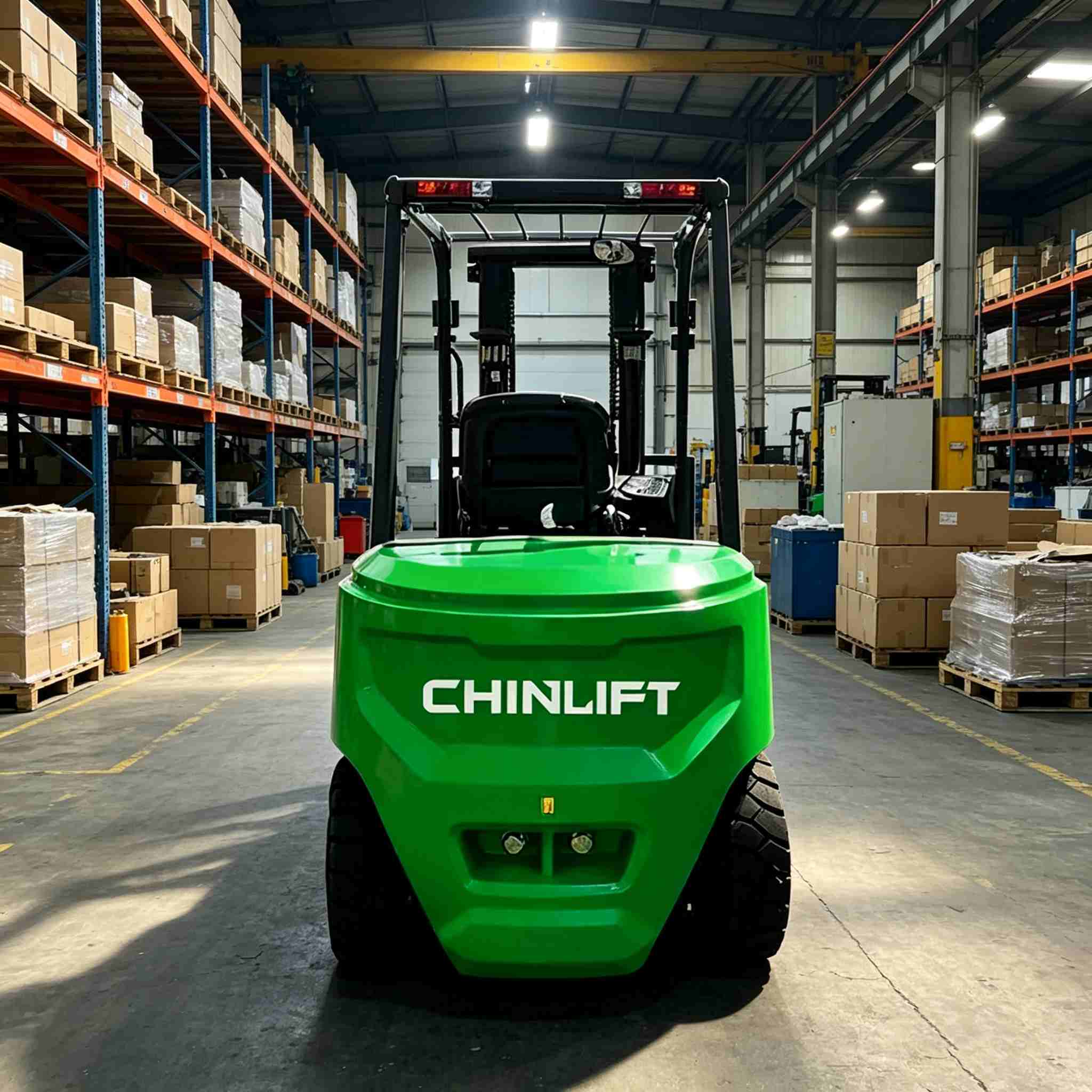
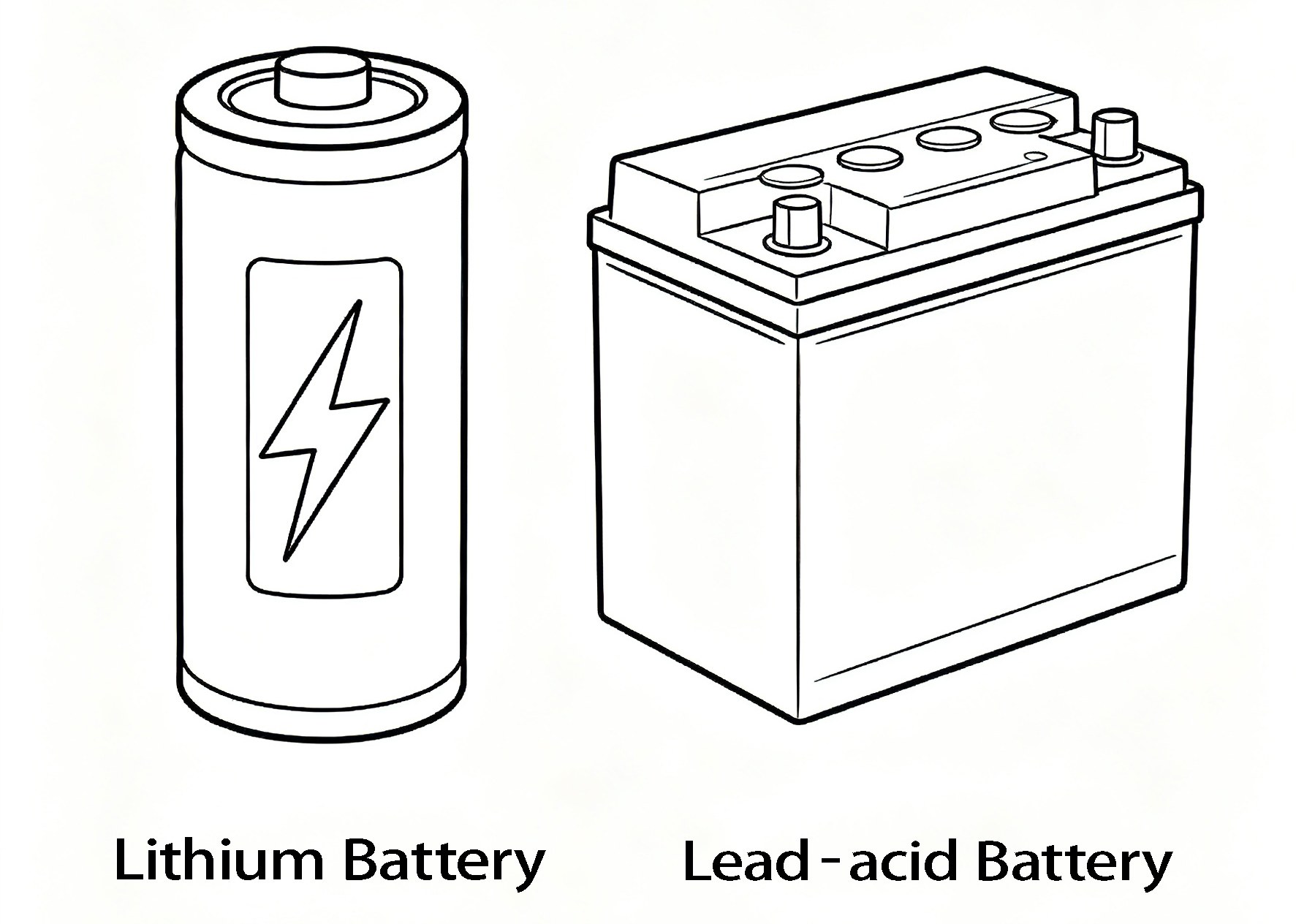
Forklift batteries (typically lead-acid or lithium-ion) are the heart of electric forklifts. Proper maintenance not only extends their service life but also significantly reduces operating costs. The following core strategies, recommended by CHINLIFT Forklift, must be followed to achieve optimal performance.

E Series 2-3.5T Electric Forklift

1. Standardize Charging Practices: Avoid the "Opportunity Charging" Misconception

For effective Lead-acid Forklift Battery Performance Maintenance, lead-acid batteries should follow the principle of "discharging no less than 20% before recharging." Frequent opportunity charging (recharging at any convenient time) accelerates plate sulfation, leading to a permanent loss of capacity. Each charge cycle must be fully completed to avoid cumulative memory effects. For Forklift Lithium Battery Performance Maintenance, flexible charging is acceptable during daily use, but prolonged periods at 100% state of charge should be avoided to slow aging.


Battery Performance Maintenance

2. Strictly Control Depth of Discharge (DOD)

For lead-acid batteries, depth of discharge (DOD) exceeding 80% can severely damage the plate structure. It is recommended to set a battery replacement alarm threshold (e.g., 30% remaining capacity). Lithium batteries have a higher DOD tolerance (up to over 90%), but maintaining a reasonable margin is still advisable to protect the battery management system (BMS). Both practices are emphasized in CHINLIFT Forklift operational guidelines.

3. Equalization Charging and Watering Management (Lead-Acid Batteries Only)

Perform an equalization charge every 5 to 10 regular cycles to eliminate voltage imbalances among individual cells. Meanwhile, regularly check the electrolyte level. Distilled water should be added after charging and before resting, with an ideal level of 10–15 mm above the plates. Adding water while the battery is discharged is strictly prohibited, as this may cause electrolyte overflow. These steps are critical to Leadacid Forklift Battery Performance Maintenance.

4. Temperature and Environmental Control

The optimal operating temperature range for lead-acid batteries is 20°C to 25°C. For every 8°C increase in temperature, battery lifespan is approximately halved. During charging, the battery temperature should not exceed 45°C. Keep the battery surface clean, dry, and free of corrosive substances. Apply anti-rust compound to the terminals to prevent increased contact resistance. CHINLIFT Forklift recommends integrating these environmental controls into daily operations.

5. Establish Daily Maintenance Records

Daily records should include: end-of-charge terminal voltage, electrolyte specific gravity (for lead-acid batteries), operating duration, and any abnormalities. Conduct a capacity test once a month and compare results to baseline values. Use a smart charger and battery monitoring system to track individual cell voltage, temperature, and the number of charge/discharge cycles in real time. These practices apply equally to Leadacid Forklift Battery Performance Maintenance and Forklift Lithium Battery Performance Maintenance.


Through the systematic management described above, lead-acid batteries can typically be used for 1,500 to 2,000 cycles, while lithium batteries can last for more than 3,000 cycles, thereby reducing total cost of ownership (TCO) by 30% to 40%. CHINLIFT Forklift supports these maintenance strategies to help customers maximize battery life and operational efficiency.

Is a heavier counterweight always better for forklifts? A detailed analysis of the drawbacks of excessive counterweighting

In the minds of many forklift users, counterweights seem to be "the heavier, the more stable." However, this intuitive assumption significantly deviates from the scientific principles of engineering design. A heavier counterweight is not always better; excessive weight can actually lead to a series of significant and unavoidable problems — a consideration that applies equally to every electric forklift, internal combustion forklift, or any model from brands such as CHINLIFT Forklift.

internal combustion forklift

The Basic Function of Counterweights

The core function of a forklift counterweight is to balance the load on the forks and prevent the vehicle from tipping forward. According to the principle of leverage, the counterweight must provide sufficient torque to counteract the load torque. However, "sufficient" does not mean "the more, the better."

diesel powered forklift

Five Major Drawbacks of Excessive Counterweighting

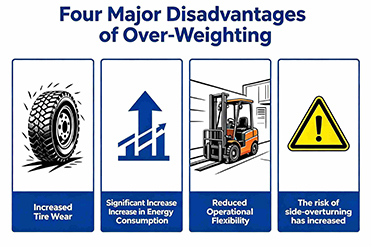
1. Reduces effective load capacity

Counterweights are part of the forklift's own weight. Adding excessive counterweight significantly increases the total vehicle weight. Under the premise of a fixed maximum rated total weight, this actually reduces the weight available for the actual cargo — a counterproductive trade-off. Whether you operate an electric forklift or an internal combustion forklift, this principle remains unchanged.

2. Accelerates wear on critical components

Every additional unit of weight increases the load on the drive axle, tires, steering system, and braking system. Accelerated tire wear, longer braking distances, and premature fatigue in the drivetrain — these maintenance costs often add up unexpectedly later on. Even a robust CHINLIFT Forklift is not immune to the accelerated wear caused by excessive counterweighting.

3. Significantly increases energy consumption

Whether it's an internal combustion forklift or an electric forklift, a heavier body means higher energy consumption. Fuel consumption rises, battery range decreases — the long-term operating costs are considerable. For an electric forklift, excessive counterweight directly shortens shift life between charges; for an internal combustion forklift, it leads to noticeably higher fuel bills.

4. Reduces maneuverability and flexibility

Excessive counterweight reduces the forklift's agility, making operation more difficult in confined spaces such as narrow warehouses, loading docks, and truck tail lifts. Meanwhile, increased ground pressure may damage warehouse floors or loading ramps. A properly designed CHINLIFT Forklift balances counterweight precisely to preserve maneuverability without sacrificing stability.

5. Increases safety hazards

Excessive counterweight alters the forklift's center of gravity. During sharp turns or operations on slopes, lateral stability may actually worsen, increasing the risk of tip-overs. Additionally, greater inertia during emergency braking makes handling more difficult.

internal combustion counterbalance truck

Conclusion

Excellent forklift design focuses on "precise counterweighting" rather than "blindly adding weight." Manufacturers such as CHINLIFT Forklift scientifically calculate the optimal counterweight based on parameters such as load curves, mast height, and tire specifications — customizing the balance for each electric forklift and internal combustion forklift model. In actual operation, users should strictly adhere to the rated lifting capacity and never add counterweights on their own to compensate for overloading. Balancing safety and efficiency is the correct approach to forklift operation.